No Bullsh*t Talks · Season 3 · Episode 11
She Got Defrauded Out of Five Figures – Then Went Full CIA Mode
With Jenna Zhang.
 Watch on YouTube
 Listen on Spotify
 Apple Podcasts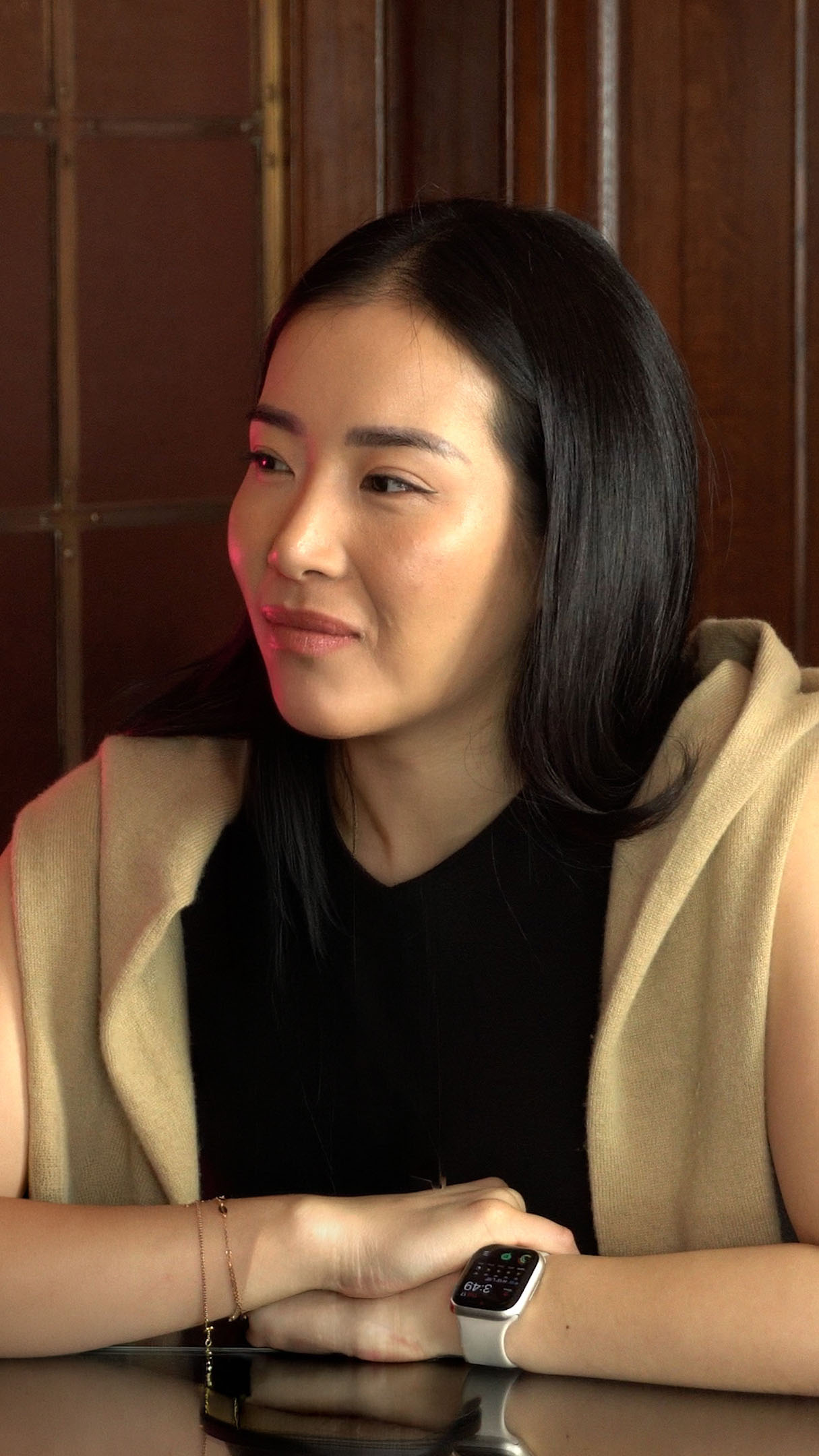
About this conversation
Fraud, resilience and rebuilding after a setback
Jenna Zhang joins Sabrina to tell the story behind building SipZen, a traditional Chinese medicine-inspired wellness drinks brand. They discuss repeated rejection from manufacturers, designing a product that was deliberately difficult to copy, and what it was like managing older colleagues as a young founder.
The conversation then turns to a five-figure marketing fraud affecting multiple businesses and Jenna’s decision to investigate it herself. Along the way they explore resilience, leadership, product development, traditional Chinese medicine and what happens when the formal systems meant to protect a business do not deliver the outcome you expect.
Watch
See the full video conversation.
Listen
Take the conversation with you.
 Audible
Watch the moments
that travelled.
Watch, share and continue on the original platform.
Read the full conversation.
The transcript is organised by timestamp so it can be generated from the master transcript, edited once, and published here without designing a new section every week.
Turned down by 80% of manufacturers+
To be honest, I did almost give up because I actually got turned down by 80% of the companies that I spoke to.
Many of them told me that I was being completely unrealistic.
But that was the whole point.
It was to be complicated.
It was to be different from the rest of the wellness beverage brands out there because if I wasn’t going to disrupt the market, what the hell was the point?
No Bullsh*t Talks is a podcast for entrepreneurs by entrepreneurs.
There’s too much bullsh*t out there, especially when it comes to business.
This podcast aims to highlight what’s true and what’s not in the world of entrepreneurship, bringing you honest and raw conversations about the roller coaster that is entrepreneurship.
Each week, my guest will be a high-performing entrepreneur, sharing the ups and downs of their journey and helping you prepare for the road ahead while providing you with actionable insights and absolute gems of knowledge.
Stay tuned as I introduce this week’s guest.
Jenna Zhang is the founder of SipZen, a range of lightly sparkling functional teas rooted in traditional Chinese medicine.
After being told that she had PCOS and Hashimoto’s, Jenna turned to the herbal remedies of her childhood, healed herself, and built a brand from that experience to help others do the same.
I present to you this week’s guest, Jenna Zhang.
Meet Jenna Zhang, founder of SipZen+
Jenna, welcome to No Bullsh*t Talks today.
Thank you so much for having me.
I’m really excited to get talking about your business and what you do.
But I love to butcher intros, so I’m going to let you do it because I think you’ve got a lot of strings to your bow as well.
So, I want you to introduce yourself.
Why don’t you tell the audience?
Yeah.
Hi everyone.
I’m Jenna and I’m the founder of SipZen, which is a Chinese traditional medicine-inspired wellness beverage brand here in the UK, and we are going global soon.
But yeah, it’s based off of my own health story.
Yeah.
Cool.
Okay, so I don’t know where to start.
I feel like, do we start with that health story?
I think we should start with the health story because I feel like it’s your story in a way, and it’s why SipZen was created in the first place.
So maybe we should start with that.
Tell us about that.
PCOS, Hashimoto's & her diagnosis+
Yeah.
So about three years ago now, I was diagnosed with both PCOS and Hashimoto’s, which is better known as an underactive thyroid.
Unfortunately, in Western medicine, the only options you really have are Synthroid, Ozempic, or birth control pills.
I didn’t really feel like going bald for the sake of weight loss because basically what we have is insulin resistance.
I grew up Chinese American and I’ve always believed in traditional Chinese medicine, which I think a lot of people have a misconception of.
I think people think it’s old wives’ tales as opposed to 3,500 years’ worth of data of how the human body reacts to botanicals.
So when I went back to China to visit some family, I went to see a traditional Chinese medicine doctor.
Why the West gets TCM wrong+
And he obviously gave the very traditional prescription.
They come in these paper boxes basically, and they’re filled with herbs.
It worked really well, but the issue with TCM is you have to brew it yourself.
It smells up the house.
You have to do it every day.
It’s incredibly inconvenient.
It tastes like absolute dirt.
Frankly, here in Europe, it’s just not available.
I think that there is a Chinese medicine institution here in London, but from what I’ve read, their courses run from like 10 months, whereas in China it takes like 10 years.
It’s the same as Western medical school.
So in China there are two forms of medical school.
There’s traditional and then there’s modern.
Both are as prestigious.
But yeah, I went through a three-month course and basically lost all the weight that I had gained during my diagnosis.
My health is essentially back to normal.
I’m able to maintain all my symptoms and just kind of keep it at a steady pace.
All without taking synthetic stuff, which I really didn’t want to do.
I just realized that the West is very uneducated on traditional Chinese medicine, all whilst culturally appropriating it.
So, I decided to do it myself and frankly do it a bit better.
SipZen isn’t just a beverage brand.
SipZen very much is like a cultural mix.
So I wanted it to be something that would kind of bridge the West into complementary medicine.
I mean, I’m not one of those people that say, you know, herbs cure cancer.
Please don’t do that.
Modern medicine very much saves lives, but TCM is a really good preventative measure and it’s good as a complement.
Also, I wanted to make it delicious, right?
Because part of the reason why the West doesn’t believe in it a lot of times is the bias due to how things taste or smell.
So I wanted to make it a bit more modern almost.
I took the formula and asked the doctors that I go to for a formula that would be good for both men and women for daily use.
Then I took it to a lab here in the UK and had them develop it into a cold brew sparkling drink.
From health crisis to product idea+
Wow, that’s a lot of effort to go to to find a solution for yourself.
I feel like it’s funny because when I think of Chinese herbal medicine, I do think of some crazy old Chinese lady who’s trying to tell you that they can cure you and they’re just like, “You must take this, you must take this.”
I even think of some of my relatives talking about all these different things that they know that can cure us, and you’re sort of like, doctors don’t really believe in that.
It is that kind of, I guess, we don’t believe what they’re saying.
Do you know what?
It’s not for any particular reason.
It’s just because of how they come across.
I think they might come across as some eccentric little old lady who’s kind of doing that, but actually they’ve got years of experience.
It’s just not been communicated properly, and I think that’s the difference.
Well, there’s also this issue of a lot of the traditional Chinese medicine shops or apothecaries here.
They’re not run by people who are trained in TCM, so they’re also kind of harming the whole reputation of TCM because it’s not really regulated here.
It takes years and a lot of practice to become a full-time TCM doctor in China.
So when I see someone here that’s selling all these powdered mushrooms and herbs out of their shop, even I question it.
That was the issue for me.
I couldn’t even find the stuff that I needed even though I had a written formula from my doctor back in China.
So I thought the easiest thing to do was genuinely come up with a drink that was for daily use and maintenance.
Amazing.
So yeah, I want to hear more about SipZen itself then because, like you said, you’ve made essentially a sparkling tea to help solve all the problems that you had.
How do you go from, “I have PCOS, I have Hashimoto’s, I’m not happy with Western medicine at the moment, I know something’s better, I want to educate the UK and obviously the Western market,” to actually producing a physical product?
So basically, I’ve always wanted to work for myself, but I didn’t know exactly how it was going to happen.
I think it kind of just fell in my lap.
I did it very organically.
So I had the idea and came up with the name.
If you look at the logo, you’ll see that it’s a red stamp.
I knew that I wanted it to look like one of those Chinese red stamps..
Trade shows, rejections & finding a manufacturer+
That go on scrolls, which is the original version of signatures.
I slowly I just started to get myself a ticket to a drink trade show.
I met a bunch of development companies that essentially help drink companies launch, from idea to procurement to the first batch of sample manufacturing and then label design.
I spoke to a few.
To be honest, I did almost give up because I actually got turned down by 80% of the companies that I spoke to.
Many of them told me that I was being completely unrealistic and that it was impossible to do.
What was so unrealistic about what you wanted to do?
So the thing is, it wasn’t actually impossible.
It was just that these development companies essentially get paid the exact same per project.
Obviously, I wanted to put in a bit more ingredients than the other companies.
But that was the whole point.
It was to be complicated.
It was to be different from the rest of the wellness beverage brands out there because if I wasn’t going to disrupt the market, what the hell was the point?
So I finally found one that was very willing to take me on, my personality and all my demands.
I reached out to them.
I bought a website in GoDaddy.
To be completely honest with you, I’ve never worked in FMCG.
So the very first thing I did was genuinely use ChatGPT.
I was like, okay, obviously I know I have to go to Companies House and register and all of this.
Basically, ChatGPT scraped stories, podcasts, and articles about other drinks companies like Trip and Dirty and exactly who they worked with.
Through that, I was able to make a list of the process that I needed.
So it was the procurement team, then it was the distributors, the label designers, then you have to get compliance for the label designs.
I worked mainly with this one company based in Leicester to help develop the recipe.
Then I was lucky enough to find my graphic designer, who was amazing.
She’s a freelancer, so she did all my labels.
I have a really close friend in China who is actually a traditional Chinese scroll painter.
It’s what she does for a living.
So I called her and said, “I have this idea.”
“I’m going to launch with three products.”
“Would you mind actually making me three paintings and I’m going to have them on my drinks?”
Designing the cans: scroll paintings & cotton labels+
And she said, “Yeah, absolutely.”
I told her exactly…
What SipZen is about, how I wanted the vibe to look.
She obviously did an amazing job.
The cans look absolutely beautiful.
Then I wanted to make it feel like a scroll.
So I decided to get my labels made from cotton, which actually is more sustainable.
From each step, I learned there were positives and negatives along the way.
One of the major positives is someone, you know, Kristoff, my consultant who’s now turned into a member of my advisory board.
He was one of the best decisions I ever made in terms of strategy and how we sell.
But I’ve also had a lot of negatives.
Being a young female in business, people do try to take advantage of you.
People don’t take you seriously.
I think there’s also a lot of cultural bias because people look at me and think, okay, young Asian female, where is she getting this money from to start this company?
I think a lot of people thought it was mommy and daddy’s money and a passion project, which could not be further from the truth.
So there were a lot of issues.
I was taken advantage of by several marketing companies, etc.
Then I just slowly built it over the course of a year and a half.
We’re going to come back to all that stuff because I want to hear more about the products first before we go into all the drama.
We have the cans out because we got some, right?
[laughter]
I’m so excited to drink this.
I just want to say, the way it feels, because you said cotton, right?
Yeah.
It feels amazing.
It’s actually just nice to touch as well.
Like you said, you wanted to stand out.
I think you do.
I think they look classy.
I think they look stylish.
I think the artwork is impeccable.
Yeah, it does feel like a really nice product.
So, I’m going to have a taste.
Yeah.
So this is one of the things about the design.
Originally, the design was very different because I had multiple designers kind of pitch me their idea.
I’m going to be completely honest.
Most of them pitched what was already on the shelves.
Pastel colors, neon colors, bubble letters.
How are you defining yourself?
Because you mentioned earlier Trip and Dirty.
They are very trendy with my audience.
I love them both as brands.
I think they do really, really well.
But that’s what their branding is.
It’s very much that same sort of way.
So if they’re going to pitch this exact same thing, how are you going to differentiate?
Well, this is my thing.
Trip was technically the first to go pastel, so it worked for them.
That was genius of them at the time.
But now every brand has followed Trip, which is why Trip is so successful.
I knew the whole point I wanted to start this company was because there were actually so many other brands on the shelves that were taking inspiration from TCM but not giving credit where credit was due.
So for example, the use of ginseng, goji berries, cordyceps, that all comes from traditional Chinese medicine.
That’s stuff that we grow up with in soup, right?
So I knew, okay.
I’m not kidding.
One day, because my designer asked me, she was like, “You need to give me a color palette.”
“You need to figure this out.”
So I actually went to every single supermarket near me.
We’re talking Waitrose, Whole Foods, Planet Organic, Bayley & Sage, Sainsbury’s, Tesco, Aldi, any brand you could possibly think of.
I stood there in front of the can shelf, both alcoholic and non-alcoholic.
I just stared.
I was like, “Okay, the white ones don’t work.”
“TRIP’s already doing that.”
“Pastel, forget about it.”
Then I realized the reason they all kind of come off the same, even if it’s a slightly different color palette, is because they’re all digitally printed cans.
So I was like, “Okay, I want to go with labels.”
But I said I wanted to do Chinese.
So there’s one option: scroll paper.
And then I thought to myself, okay, there’s no point figuring out a color palette and then having my friend make a painting that wouldn’t look authentic.
So I let her come up with the paintings on her own.
I was like, do whatever you feel is right that matches this theme and exactly what I described to you in terms of what kind of drinks brand I want to do.
Obviously, she herself is Chinese and takes traditional Chinese medicine, so she understands.
She made the paintings and then we digitalized them so that we could put them on labels.
From those paintings, I was able to figure out the color palette.
Then I basically told the label designer, right, I do not want it to look like anything on the shelves.
It needs to look like a scroll painting.
Frankly, how do I put this?
You can copy someone’s pastel colors.
You can copy someone’s bubble letters easily.
But good luck trying to copy a scroll painting.
That was kind of my thought.
I mean, you say that, but now with AI, it won’t take someone very long.
Actually, if they do, then it means you’re onto something.
If you find that someone’s got a SipZen knockoff soon, then that’s a huge flattery moment.
It means that you have disrupted the market.
It means that people want to be like you.
We talked about this just before we came on the podcast.
You said imitation is the greatest form of flattery because there’s someone out there ripping off my ideas.
This is what happens and you know you’re onto something.
As soon as people start taking your ideas, you’re onto something.
Exactly.
But it will be difficult because, like you said, people can do AI representations of this, but it won’t be authentic.
Like you said, you’re made from cotton.
It’s supposed to be sustainable.
That’s important to you.
You guys are also B Corp, right?
Yes.
So we are fully registered B Corp.
We donate a portion of our proceeds to a charity up in the Scottish Highlands.
It’s something that’s dear to me.
I wanted it to be very, very sustainable.
Also, conscious consumerism is continuously growing and I wanted to enter the market ahead of the curve.
Otherwise, I was just going to be another drink on the market.
Obviously, all of our materials are sustainable.
I also only produce in full batches, meaning in terms of the supply chain.
A lot of times you have to throw out raw ingredients once you’ve made your full batches, whatever is left.
So I have a recipe card where I figure out exactly how much I can order in whole numbers so that there’s as minimal waste as possible.
Obviously, all of our packaging is sustainable.
It’s forever recyclable aluminum.
I also only work with suppliers who are either B Corp themselves or have another kind of sustainability certificate.
So yeah, we became B Corp because of it.
I love that because that’s obviously the same sort of thing I’ve always had with our agency and N0BS itself.
We’re very much aligned with sustainable brands and it’s important to us.
Having brands who align with that sort of thing is important.
But that didn’t just start with SipZen, did it?
Because you’ve got experience in this sector.
From intern to COO+
So my first real job out of university, I graduated unfortunately during COVID.
I graduated online.
I knew I was going to go to law school and do a master’s, but then I got scooped up by an amazing mentor who was a hedge fund manager turned sustainability startup founder as a kind of retirement, pre-retirement passion project.
Originally, when I started out with them, they were a crowdfunding platform for carbon credits.
But then I helped start their sister company.
What that was, is we created this Tableau platform that was the biggest in the world at the time.
Not sure about now because I left a few years ago.
The carbon offsetting market basically took off during COVID, but it wasn’t very regulated.
It was mainly a voluntary market, so there were a lot of issues, especially with credibility, like double counting, and there were quite a few scandals.
What the platform did was basically scrape the internet and every kind of data possible about every kind of carbon credit, every project, every owner, every verifier, every buyer, and every transaction.
It was an automated platform that basically allowed you to do due diligence on carbon credits.
It was something I was very passionate about.
Now, I am not a coder.
I am not a tech person at all.
I was essentially the legal researcher.
[laughter]
Then eventually I started as an intern for the mother company, and then I became Head of Legal Research.
Then I got turned into COO.
Oh wow.
I was, I think, 23 or 24, managing a whole office.
So that was quite an experience.
Honestly, I learned a lot and I couldn’t be more grateful for the opportunity that was offered to me there.
Becoming Head of Operations at that age, I learned so much more than I think probably anyone else at that age.
So tell me what you did as a COO.
You’re in charge of everything.
You’re in charge of a team.
You’re in charge of all the systems.
As a business owner, how has that translated?
What are the biggest things you’ve learned from that role that’s translated into your business?
Because it was a startup and when I entered, I think it was like four people.
Originally, it started out as the founder in the founder’s garage in Richmond.
But by the time I left, I think in total worldwide there were about 20 of us.
I had to do everyone’s payroll.
I had to come up with their position names.
I was in charge of all the interns.
I wrote recommendation letters.
One of the things I’m proudest of is one of my former interns.
I wrote her recommendation letter to Bocconi.
Oh wow.
And she went.
[laughter]
Then I had to tell people who were much, much older than me, and at the time frankly didn’t take me seriously, what to do.
Because it’s a startup, it wasn’t just like you were doing operations.
You had to take on multiple roles.
So I was still doing the legal research and the regulatory compliance and all of that whilst doing operations.
Because I think I’m good with people and I’m good with the way I speak, I also took on sales.
In terms of the big corporate sales, we had some pretty major clients within the oil space that were trying to become more sustainable.
They were all under my sales account.
There were a lot of business trips, a lot of trade shows, and conferences, especially for things like COP.
I think at one point I was working probably a 90-hour week because I was taking calls from Chevron in Texas and then the next morning, well not really the next morning, it was pre-dawn, I was taking calls from Mitsubishi in Tokyo.
So it was my first full-time job, and it was full hands on deck.
But it taught me a lot in terms of starting this company because I know how the visa system works in terms of employment visas.
Dealing with HMRC, that is a big one.
Just in terms of cutting costs and saving as a company, where you can cut costs, where you should spend more money, how marketing works.
Probably one of the biggest things I learned is spotting red flags in people and who to trust.
Managing older colleagues as a young woman+
Cool.
Tell me some of those. We previously…
I feel like because it was my first job and I grew up in New York City, and I was quite active growing up.
Even at university, I was a full-time athlete.
I was a sorority president.
I did all the very cliché stereotype stuff.
I felt like I could handle people until I actually went into the workforce and essentially became this 60-year-old guy’s boss.
There was a whole scheme to undermine me and remove me from office, etc., because I think me being his boss genuinely just hurt his pride.
That’s all it was.
I think just dealing with that and being very political with all of it taught me a lot of patience, but also not oversharing.
Because I think a lot, because I grew up American, I can sometimes overshare and think that everyone’s trustworthy.
But that experience genuinely taught me to keep things in, be more introverted when it comes to business, and just be careful who you trust.
Obviously, you know about the incident we had with the digital marketing company.
We will definitely come to that in a minute.
I definitely will.
But I do want to talk about the age thing because I think that’s something that a lot of founders are struggling with.
Lots of founders, of course, are getting younger and younger every day, right?
Everyone’s starting their own business of some kind.
But if you want to hire good quality people and you want to find people with experience, then a lot of the time they’ll be older than you.
If you have the mindset of, “I want to hire A players,” a lot of those A players need to have a certain number of years of experience to become A players, right?
So you’re often going to be managing people who are older than you.
They might also be men.
A lot of the time, older men don’t necessarily respond well to younger women being their bosses, like you said, and telling them what to do.
How have you managed to handle that?
Because I think that’s a difficulty for a lot of women out there, but also even young men who have older people as employees.
How do they gain respect?
Well, the most difficult thing is a lot of times these issues surface because you can feel it.
It’s a gut feeling.
People throw backhanded comments or they just want to undermine everything you do even though it’s not wrong.
Or they take ideas from you, etc.
It comes in all forms.
The hardest thing is probably proving it to HR and proving it to management that this is actually happening.
It’s not just in your head.
You’re not being crazy.
I think that was another issue.
A lot of times people like to say that girls in the workforce, just like in relationships, are being crazy.
They’re being emotional.
They’re being emotional.
They’re being crazy.
They’re being the B-word.
But that’s not true.
I think a lot of times people do things just below the line until you explode.
So my biggest thing was genuinely to record everything.
I would record calls.
I would record…
Even to this day, every day I record my exact activities and what I’ve done at work and what I’ve completed and what I didn’t complete but is halfway there.
So I started basically recording everything and making myself almost very transparent, then keeping a straight face at work.
Not showing too much of my personal personality and kind of using that as proof that I get things done.
It’s so difficult though because when I’m listening to that, I was like, I don’t want to be different at work.
I just want to be me.
Especially if you’re the founder, right?
Because most people who are listening to this or watching this, hi, I feel like they’re entrepreneurs, they’re founders, they’re running their own business.
So they can’t necessarily go to HR and report this.
Obviously, they might have HR, but a lot of people are small teams.
Yeah.
And so they’ve got to just deal with this dynamic.
I would hate as a founder that I have to be someone I’m not or dampen my own personality.
I’ve got kind of a big personality.
If I dampen it, it’s still going to be pretty big.
So I’m going to struggle with that.
I worry.
The whole recording everything sounds like I have to be quite paranoid.
I feel like that’s the lawyer in you coming out, right?
It’s like record everything, get the evidence.
But it’s hard.
It must be.
It is really, really hard.
Honestly, it’s quite tiring because, you know me personally, I can have quite a big personality.
I’m quite silly and I think I’m a jokester.
Not everyone likes a sense of humor.
So yeah, it is really, really difficult.
But I think time will tell with these kinds of things.
I think we’re in a really weird generation where our parents were part of this very sexist community where women stay at home and men go to work.
We’re in that weird generation where women still have the traditionally female jobs of being the caretaker, cooking, laundry, etc.
We naturally take it on because it’s what we watched our mothers do.
So regardless of how big of a feminist you are, it just naturally comes to you.
But at the same time, we have to compete at work and climb the corporate ladder.
I think time will kind of adjust things because I also entered a workforce with an older generation that came from that “women didn’t have a choice” era.
So to see me in the office was probably a shock to them.
Yeah.
And so I think time will probably change things.
But you didn’t start off like that.
You started off as a lawyer.
That’s what I was saying.
That’s the lawyer in you coming out.
You started off in law.
So how did you go?
You obviously went to law school, then got that job in the carbon credits fund, and then started your own business.
What made you do law in the first place and then how did you change?
It’s interesting you asked that, plus the conversation we just had, because I entered law out of self-protection.
Granted, I’m not a very maths person, so I was never going to go down the doctor route.
I grew up with quite traditional Chinese parents, so there were only a few options out there for me.
So I did a medical degree and then a law degree.
And then accounting, just to add all the professions that you’re allowed to do.
I had the choices of doing finance, medicine, but I’m squeamish, engineering, or law.
Yeah, engineering.
I also think teaching is quite a respected profession.
I feel like if you become a professor.
But I don’t like teaching, to be honest.
The constant standing up and talking.
Also, I don’t think people realize how long the hours are to be a teacher.
People think the job starts at 3:00.
No, they grade until like 2:00 a.m.
I still teach on the side as well.
It’s long and I’m exhausted.
I teach in primary schools as well as lecturing at universities.
It’s bad.
I mean, I’m nowhere near what you do.
I give Chinese lessons on Preply maybe twice a week and I honestly just feel like I can’t breathe.
Oh wow.
But yeah, I went into law out of self-protection for various reasons.
Growing up a minority immigrant in the States and how the politics really shifted.
I majored mainly in politics at university and I wanted to become a politician, and I still do.
I just think I’m taking more of the business route to it.
Then I did the whole law school scene.
I grew up with divorced parents.
I saw how messy that got.
I also saw in politics how unjust things can be, especially with American laws.
In general, day to day, I was always a bit scared of how things worked.
I didn’t know where things stood.
Then I got my first speeding ticket at 18 and had to go to court.
Through every life experience, I just realized that the one thing everyone really needs to know is how to protect themselves.
I grew up in South Brooklyn, right?
I grew up in a place called Bensonhurst, which if you guys look it up, is famous for mafia hitmen by the Italians.
It is known for that.
So I grew up there.
I went to a high school in Flatbush, Brooklyn, which is also known to be really bad.
I feel like I grew up in an environment that was very fight or flight.
A lot of the kids in my high school ended up in juvie or prison because they didn’t know how to protect themselves and they didn’t understand how the world worked.
It was quite an unfortunate environment.
Starting in high school, I was like, I don’t want to end up like that.
I need to do something with myself while at the same time protecting myself.
You don’t hear it now because I took voice speaking lessons, but I used to have the deepest South Brooklyn accent.
Oh, do it for me.
I want to hear it.
[laughter]
I can’t say chocolate.
It’s “chaw-clate.”
Oh, do a whole full sentence.
I want to hear this.
I want to hear.
I mean, what do you want me to say?
The most common thing is, “I’m walking here.”
Is it like when you say coffee?
Yeah, I say “caw-fee.”
I took voice lessons because I was like, I don’t want to go out into the world and be…
Regardless if I’m a Harvard grad or whatever it is, people are going to hear your accent in an interview and judge you.
So I wanted to change my destiny.
I thought one of the most stable ways to do that would be law.
Interesting.
I’ve never heard anyone think about changing their profession because of the way they speak and the kind of image they have.
I come from Birmingham in the UK, which has got famously probably the worst possible accent you could have in the entire world.
It’s known to be the worst possible accent.
You maybe don’t hear it in me now, but a couple of drinks in, it comes stronger.
I’ve heard it before.
Yeah, exactly.
I don’t think I’m hiding it.
I’ve done public speaking.
I’m LAMDA trained, right?
I’ve never had a very strong accent, but when I get emotional or I get drunk, that’s when it’s really strong.
People just immediately think you’re stupid.
When you’re a woman, like you said, or when you are a minority woman, you already have so many more standards to go through and so much more to prove.
I guess you don’t want another thing thrown against you.
“Oh, she speaks badly too.”
Yeah, exactly.
That was the thing.
I was already an immigrant.
I’m a minority.
I don’t come from grand family money.
I grew up in South Brooklyn.
My legal address is Bensonhurst.
There was just so much kind of working against me in a way where my first impression entering the room…
If I was interviewing for a big law firm, chances are they would have picked someone else if I didn’t kind of perfect my image.
I know it sounds really bad and people are always like, “You should be proud of this.”
“You should be proud of that.”
I’m absolutely proud that I’m an immigrant.
I’m incredibly proud that I’m Chinese.
I’m a minority female.
I’m incredibly grateful to my parents for the sacrifices they made so that I could have a Western education.
But push comes to shove, I had to apply for company jobs.
I had to graduate with everyone else.
I had to go for university interviews in the most random suburban neighborhoods I’d never stepped foot in.
In New York State, there are three parts, right?
You have Upstate New York, which is a giant triangle.
Then you have Long Island.
Then you have this tiny, tiny dot of the five boroughs, which is New York City.
People don’t know this, but Upstate and Long Island are very conservative and not very diverse.
When I applied to university for scholarships, the university I ended up going to, I remember I had to go for an interview with one of the alumni.
She lived deep into Long Island, wealthy Long Island.
I think it was like a month’s worth of my babysitting money for me to even get a cab there and back.
When I entered her house, I was 17 at the time.
It was probably one of the biggest houses I’ve ever seen in my life.
She had a very, very different accent to mine.
I was just so shy and terrified.
I think that was one of the times where it just clicked in my head.
Figure it out or you’re forever going to be prey.
This is kind of funny, but I think it’s a really good analogy for anyone who’s watched Bridgerton.
Yeah.
I’ve just finished the fourth season yesterday.
You know what?
Can I just say I’m really mad I wasn’t hired.
[laughter]
Like, Sophie Beckett was brilliant though.
Yes.
But I could have been one of the sisters.
Oh, you could have been.
I could have been Posy.
[laughter]
I was going to say Posy was the nice one.
Don’t do the other one.
Yeah.
Season one kind of gives flashbacks of how Lady Danbury came to be who she is whilst helping the Duke of Hastings.
There was this scene where she visited him and realized he isn’t dead.
She said to him, “When I was a girl, I used to shiver at my own reflection…”
Then one day I just decided, fine, if I’m going to be scared of my own reflection, I’m going to make everyone else scared as well.
Every room I walk into, I want to be number one.
I want all eyes on me.
I want X, Y, Z.
So yeah, I literally went from being the nerdiest…
I was always an athlete.
I did diving growing up.
But I went from being this really, really quiet girl with an odd New York accent.
Looking back at my childhood videos, it is weird.
Even I find it weird because the deep New York accent comes from Southern Italian heritage.
But I was the only Asian kid in an Italian neighborhood at the time.
When you look at it, it’s like, why does this girl sound like that?
Because I used to sound like, you know, in the movie My Cousin Vinny.
Yeah, that was how I used to sound.
But obviously I don’t look Italian.
I’m not Italian.
It was really weird.
So I decided to change it.
Wow.
So you’re channeling your inner Lady Danbury.
Yeah, exactly.
I couldn’t even afford vocal lessons or speech lessons, so I went on YouTube.
Oh really?
So you’re using all the modern-day tools that everyone’s talking about.
You said ChatGPT helped you create your business and YouTube helped with your speaking lessons.
You’re using everyday technology.
I do believe in the American saying, “Pull yourself up by the bootstraps.”
No one is going to change your story or your destiny for you.
That’s on you.
Wow.
Actually, you were saying earlier about being proud of who you are.
I think there’s nothing wrong with being proud of your heritage and where you come from, but still wanting to be a better version of that.
If we aspire to be a better version of ourselves all the time, that whole 1% better every single day, we’re all better off for it.
It doesn’t mean we like ourselves any less before.
It doesn’t mean we are embarrassed by who we are.
It’s just growth.
It’s evolution.
I think that’s how everyone should see it.
Exactly.
It’s evolution.
That’s one of the things I absolutely hate when people say things like, “Oh, you shouldn’t be mad at this person for speaking the way they do or having the mannerisms they do because it’s very typical of a Chinese person.”
I get a lot of family members back home saying very ignorant things like that.
Because I’m westernized now, I get very bothered if people don’t hold the door or simple things like that.
Which is very Western.
It’s not really something you have in Asia.
But to me it’s like, okay, it is always nicer when someone holds a door for you and someone says bless you and you clean up after yourself and have basic social manners.
To me it’s like, yes, you can be proud of being Chinese, but that doesn’t mean everything to do with China is 100% correct or right.
That’s what I really, really hate.
Max and I had this conversation, a friend of ours, on his podcast about what really is growth and wealth and evolution.
To me, one of the great analogies is that the most popular perfumes and colognes right now are by major brands like Hermes, Dior, Gucci, and Chanel.
The famous Chanel No. 5.
Everyone talks about that, but they’re actually really bad quality.
Do you think?
Oh my God, I’ve got Coco Mademoiselle on right now.
[laughter]
I love it.
I know.
Don’t get me wrong.
I own Coco Mademoiselle as well.
But they are actually really, really bad quality compared to, say, Emirati-made perfumes because they were known for scent for centuries.
They’re more oil-based, so they last longer.
To me it’s like, okay, yes, you’re buying this stuff technically for the brand name.
But if you were actually wealthy and educated yourself, you would understand that probably the best thing to do is get one from an Emirati brand that will last you longer.
It’s simple things like that that I don’t think the world has caught up to.
Yeah.
It does upset me because I think sometimes even my own people can be very, very stubborn.
I don’t think the US is 100% great on everything.
Trust me, I don’t think China’s great on everything.
Hell, I definitely don’t think the UK is great on everything.
But I think everyone would do a lot better and benefit if they were able to get rid of their pride and take bits and pieces of the positives and put them together.
So yeah.
So obviously having that corporate law background has been useful to your business in loads of different ways.
I know we want to talk about something that’s happened to you in your business as well, which was obviously very stressful for you and something you learned a lot from.
But how has being a corporate lawyer helped running SipZen?
How her legal background saved SipZen money+
I mean, it helps in many ways.
The biggest thing is how busy I am.
I think a lot of startups fail.
Isn’t the stat like 80% of startups fail within the first five years?
I think it’s because a lot of people have an idea, but when you don’t have a manager or a regular 9-to-5, it’s kind of hard to push yourself.
Whereas for me, it’s like I need something to do.
I’m like you.
I have a lot of energy.
I have a lot of thoughts.
My head is constantly going around.
I think having worked in law, I’m very good at scheduling myself and managing my schedule while still staying healthy.
Almost the way I operate SipZen is like I work it as a 9-to-7.
That way I can still push myself to go to the gym in the morning, do things, and be social on the weekends with my friends.
The weekend is still separate from the weekday, which I think a lot of startups don’t have.
Also, in general, understanding the laws around things and how to protect myself.
I wrote my own NDAs.
I wrote all the shareholder contracts.
That was all done by me, which also saved the company a lot of money.
I don’t know if you’ve heard this, but apparently 20% of major startups were started by ex-lawyers.
Oh, I didn’t know that.
Especially with FMCG because the legal work is the most expensive part of a startup.
That’s crazy.
Being able to do that stuff myself has been incredibly helpful.
Have I had to use it in circumstances I wish I wasn’t in?
Yes.
But for the most part, I think it’s taught me a lot about being organized.
Also, I think maybe it’s because I was a student athlete growing up.
Even at the age of 14, my hours ran from 6:00 a.m. for swim practice, then school, then cheer practice and diving practice.
I would be out from 6:00 a.m. to 10:00 p.m.
Wow.
It’s a lot for a teenager.
Oh yeah.
But it paid off.
I absolutely loved what I did.
Going into university, I didn’t have that issue like a lot of people did when leaving their parents where they couldn’t handle their own schedule.
When I went into corporate, I think a lot of people took that first two years to adjust to the corporate schedule.
I didn’t really have an adjustment period because of my sports background.
It was quite helpful.
Now with SipZen, I will say this.
I am the most free I’ve ever been in my entire life.
Really?
I genuinely sometimes don’t know what to do with my time.
How is that possible?
I feel like every founder I know is always scrambling for time.
So this is the other thing, right?
I don’t think people are that busy.
I think they’re just disorganized.
[laughter]
I would say that, but I teach people productivity and I am busy.
I’m probably one of the most organized people.
But that’s the thing.
I never see you scrambling about.
Yeah, you’re organized.
Very busy.
Yeah, I am busy.
But I also feel like because I’m used to coming home anywhere from 10:00 p.m. to 12:00 a.m., now that I can have dinner at a normal time, I genuinely feel like I have extra time.
I think most people have a 9-to-5 and then their 5-to-9 is for working out and figuring out their eating schedule.
Whereas I feel like now I have this weird 10-to-12 that I don’t know what to do with.
Just chill then.
Well, I think because I’m so high-energy my entire life and also I have ADHD, I can’t fall asleep before a certain time.
It’s your chronotype though.
That’s a lot of people.
I’m the same.
Yeah, I operate easily on four to five hours of sleep.
Yeah, I wish I was.
When I was your age, I was the same.
So I’m saying, don’t underestimate those blessings now because when I was your age, I also used to say the same thing.
I don’t need much sleep.
I learned the hard way.
I used to think I was functioning on four to five hours of sleep.
I used to feel amazing.
I would wake up and think, “I am so productive today.”
But then I look back at the quality of work and it wasn’t anywhere near that.
So don’t underestimate sleep.
That’s a big thing that I think people don’t do.
You’re already a health brand as well.
I feel like sleep is a huge thing that you definitely don’t want to underestimate.
Because I was the same.
I was like four hours of sleep.
I was talking about it the other day.
I think about nine years ago when I first got a WeWork office.
WeWork was kind of this cool vibe, open 24 hours.
People would be coming back from a night out and I’d still be at my desk.
I would be working so much I didn’t even realize the time.
Sometimes I might have a quick nap on my sofa in my office, run down to the showers downstairs, have a shower, and then get back to my desk.
I would do that every day.
I’d have no sleep.
Then I went to the US for a couple of years.
When I came back, I was kind of between my parents’ house in Birmingham and London.
I would be getting up at 4:00 in the morning to get on a train at 5:00 a.m. to go to London and get back at midnight, then do it all over again the next day.
That’s stupid.
And that’s nuts.
I feel like that was normal for me.
So many people in the office were going, “Wow, you’re an inspiration because you’re doing that.”
I did it.
That’s toxic though.
It is.
But I didn’t realize at the time because it was a long time ago and I was roughly your age.
I didn’t know it was toxic.
I just thought I was getting to my desk on time.
I wasn’t intending to do it all the time.
I stayed in Birmingham because it was free rent.
My parents’ house.
London was expensive.
But I kept having clients in London.
I had meetings in London.
I wanted to get to the office to be productive, meet people, and do stuff.
I intended to do it maybe two times a week.
Then I kept getting meetings.
I kept growing the business.
I kept doing more and more things.
I had a team and it just became that.
For just under a year, I did that for about 10 months, which is ridiculous.
Then I moved back to London because it was so silly.
People almost praised me for it in the office.
Like I said, they thought it was a great thing.
I was known as the most dedicated person.
I worked really hard.
Then I’d also be out drinking.
So I would do the same thing.
When I got to WeWork, even outside of living in London, I’d be out drinking and then get to a meeting at 5:00 in the morning or whatever.
It was really silly.
But I did that for so many years thinking it was completely fine.
I didn’t understand what burnout looked like.
I didn’t understand any of that sort of stuff.
You know why?
Because society told us it was.
It’s fine.
Hustle culture is a thing.
Even if I didn’t believe in hustle culture, I did that because I believed in working hard and I didn’t understand my body at the time.
I think you can do it when you’re under 30 perhaps and your body is more robust.
But my body quickly deteriorated.
My brain quickly deteriorated and realized I couldn’t cope.
I think that’s what flared my illnesses, especially with an underactive thyroid.
Stress can be a major trigger because it is genetic, but it often comes out in your 30s and your 40s.
Hashimoto’s is genetic, but not general hypothyroidism because I had hyperthyroidism.
I got prescribed with Carbimazole and then they gave me too much Carbimazole and it made me underactive.
Oh jeez.
They would not give me thyroxine to counteract that because it was dangerous because I was previously hyper.
So I had an underactive thyroid for years with no help because they weren’t able to treat it.
Therefore, it wasn’t genetic.
It was just something I developed.
But it makes it worse with cortisol, your stress hormone.
Exactly.
My stress hormones were flaring.
I’ve always been quite petite.
Obviously, I was a student athlete.
I had a really healthy lifestyle.
I always ate clean.
Then two years into working full-time out of university, while also doing a master’s degree alongside working, I gained about 12 kg in a matter of four months.
It was quite bad.
Then I started the TCM process and the weight basically just dropped.
It’s just unfortunate.
I feel like I’m left with scars.
So, if we just drink this, will the weight just drop off me?
Can I just…
Okay, no claims on that.
[laughter]
But yeah, I think one of the hardest things going from corporate to startup is that I can be very busy or I can be very free.
It’s a constant curve.
That is difficult because I like consistency in my life.
I like knowing exactly what time I’m going to the gym and what my routine is like.
Basically, an order to my life from Monday to Friday.
I just feel like I don’t have that.
Granted, I say that, but in corporate I didn’t either because I would randomly work on Saturdays and Sundays all the time.
At least someone else was handling my little things, scheduling meetings, and my bills were just on recurring payments and whatnot.
Now I feel like I’m not only managing my own life and staying sane in my personal life, but also managing other people.
That is the hard part as well.
My schedule isn’t consistent because I am dependent on people who are not under the same company name.
I’m dependent on myself chasing them.
With startups, you work a lot with freelancers.
Sometimes because there is no HR and no centralized office, it can be very difficult and things get delayed all the time.
As you know, because you run so many startups and charities, that part has been very hard.
I’ve never been in an environment where things got delayed so much, and I worked in politics.
I feel like where I am now in life is so inconsistent, but I’m really happy.
Well, that’s good.
Yeah.
So that’s perfect that you’re happy.
At least that’s the main thing about it.
But I want to go back to some of the bullsh*t that you’ve been through because, oh my God, I know that you’ve had so much stress.
This is so in tune with what I talk about.
I run a creative agency.
I do marketing.
I know there’s so much bullsh*t out there.
The name of our agency is literally N0BS Agency, the No Bullsh*t Agency, for this exact reason.
There’s so much bullsh*t in the marketing world.
Unfortunately, you had to go through it.
I want to talk about what that was like as a startup.
A startup that’s conscious of doing the right thing.
You’re being sustainable.
You’re trying to build a quality brand.
You want the best for SipZen.
But you had to go through this bullsh*t.
Thankfully, you’re a lawyer, so it helped.
Talk us through what happened.
The marketing agency that scammed her+
Yeah, so basically I’ve never been a Social media person.
We have each other on social media and my page is blank.
I basically use it as WhatsApp.
I didn’t know where to start.
I honestly don’t even know how to use my iPhone camera correctly with all the features.
So I was like, “Okay, I’m going to go all out because otherwise I’m just not going to bother if I’m not going to give it 100%.”
SipZen looks beautiful and I wanted to give it everything it deserves.
So, I decided to hire a digital marketing company.
I did do my due diligence, or what I thought was my due diligence.
I spoke to former clients.
I asked them for case studies of their former clients and projects they had worked on.
They very much manipulated me.
They had me come into this fancy office space that they had rented for the day.
It was like three managing directors and the whole thing.
They were a registered company on Companies House, etc.
But a few months into my six-month contract with them, I realized that absolutely nothing was being done.
Whenever I chased them, it was quite clear the content was created via iPhone, which frankly I could have done myself or asked a friend to do.
I didn’t have to pay them nearly five figures.
Then one of their employees, who was my account manager, essentially called me one day because I was sending angry legal threatening emails every week to them for about two months.
They kept changing their registered office location.
It was getting very, very dodgy.
But it was weird because part of my due diligence involved looking into the founder.
This guy had been featured in the Daily Mail for running a mental health charity marathon.
He had a massive following himself.
It was all this stuff that made it look like he knew what he was doing.
Also, when someone tells you who they have on their client list, you don’t assume they’re lying because that’s so illegal.
But it turns out he lied about all of them and he was actually a career criminal.
So one of his employees called me and said, “I really, really love SipZen and I love working with you.”
“Despite me obviously working for a digital marketing company that you’re really mad at, you’ve kind of taken me on as a little intern and I really appreciate it.”
“I love that we’re both women.”
She was flattering me and I was like, “Okay, what do you want?”
She kind of whistleblew and spilled everything.
She said, “I think it’s a fraud company.”
“Obviously, I get paid, but my paychecks are weird.”
“I’ve been asking for my pension account for months and I don’t have it.”
“I’ve gotten warning letters that I haven’t paid back my student loans even though I opted in.”
All things that are normally taken care of by payroll.
So I was like, okay, this doesn’t sound right.
This sounds like a major fraud scheme.
Then I spoke to another former employee and it was the same thing.
Then I spoke to an employee from about two years prior.
He had actually sued this founder and won, but never got his money back because the UK courts don’t actually help you claim the money back, which sucks.
Whereas in the States, it turns into a warrant.
So I started really digging into this guy.
I also asked these whistleblowing employees, “Can you do me a favor and send me a list of all current clients?”
There were about 18.
I spoke to every single one of them.
None of them had received any content.
How does he get away with all that?
This is what I mean.
I thought I was bad because he owed me £8,500.
There were some people he somehow schemed £50,000 out of.
There was one guy who ran his own bike brand and had a storefront.
The founder had essentially told him, “On top of digital marketing, I also do storefront design.”
Six months in, this guy had never even been to the store.
Oh my God.
Complete career criminal.
Then I started digging into him more because when you register on Companies House, you need to have your passport ready.
Any company you are ever a shareholder or director of comes up under your name.
So I basically had multiple tabs open and searched his name multiple times.
Somehow this guy had like five accounts on Companies House under the same name and birthday.
How he managed to do that, I don’t know.
But it was very suspicious.
So I started gathering evidence.
I spoke to every single company that wanted to sue him.
Then I realized that when I signed with them, the two case studies they sent me were from a wellness powder brand, which is actually quite big right now and available in places like Holland & Barrett and has done Selfridges pop-ups, and another brand which is also quite big and makes beef-based protein bars.
Major, major brands.
I reached out to the founders of those brands and explained the situation.
I said, “Can I have a conversation with you because your name is part of this?”
“You’re the reason I signed.”
“So I need to know what is going on here.”
They were really willing to speak.
I got on a call with them and they basically said…
First off, I’ve never had a business meeting where so many people swore.
Essentially, these companies, when they first started out five or six years ago, had also hired him under a different agency name.
They had also sued him for not doing anything.
They took the loss of the money they paid him, hired someone else to complete the work, and this guy literally took their case study.
He downloaded a full copy of their website and photoshopped his logo onto it.
So it was complete fraud.
So it was someone else’s work?
Yeah.
I ended up sharing my screen and showing them all the email transactions I had with this company claiming they were doing marketing for them.
They all said, “No, none of this was done by them.”
“This was done after we sued them, rescinded our contract, and went to court.”
“This was completely another agency’s work and they literally just downloaded it and photoshopped their logo.”
So then I made a spreadsheet because I went into full CIA mode.
I was like, “You took my money.”
“You messed with my child, which is SipZen.”
“I’m angry now.”
So I made a spreadsheet of all the companies, how much they paid, what was owed, etc.
I realized this guy was cashing in on about a quarter of a million every six months.
Oh my God.
Yeah.
And he wasn’t paying his workers’ pensions, student loans, or taxes.
They weren’t even properly registered for taxes.
It was awful.
I told them, “Tell me how much each of you make and how much has actually been paid into a tax account.”
That’s when they logged in and realized it was zero.
There were bailiff letters out for their student loans and they had no idea.
With all of that, and obviously him lying to HMRC, I made a full spreadsheet taking everything into consideration.
This guy was raking in a quarter of a million every six months.
He was renting an eight-bedroom house to himself in Oxfordshire, driving a Range Rover, wearing Rolexes, going to Soho House, all of this stuff.
I said, “Okay, enough is enough.”
“Someone’s got to stop him.”
“He’s clearly been doing this for at least 10 years.”
I think he somehow also fooled Companies House with his birth year because apparently he’s my age.
And I’m telling you, if he’s my age, he’s aged badly.
[laughter]
So I knew something was wrong.
I sent him a warning letter saying, “I figured out everything you’ve done and I am going to make this a big thing if you don’t pay everyone their money back.”
I had hired debt collectors and everyone possible to knock down his door.
He basically ignored everything and told us there was no way we could get our money back because he was planning to liquidate.
So it became a creditor’s problem.
But then I called the creditors myself.
So he did actually go through liquidation?
No.
This is the fun part.
This is where it gets even more fun.
He had started the process with the creditors in order for all of us to leave him alone, including his former employees because he owed them months of salary.
He didn’t pay one guy for about six months.
He just kept saying, “I’ll pay you next month.”
Then he said he was liquidating.
But I called the creditors a month into the liquidation.
For the actual liquidation process to start, they must fill out forms with the creditors.
They never got back to the creditors.
They only signed a contract saying they were going to use them, but never gave them any information.
So they only did it so that the liquidators would act on their behalf.
So therefore they didn’t have to deal with all of you guys.
Yeah.
But at the same time, they didn’t actually go through the process.
They never paid the liquidators either.
Oh my God.
So it was a whole thing.
I thought, okay, regardless of whether there’s money to get back, I need a court ruling in case there’s any asset to take from his car, his house, whatever it is.
I need to figure this out.
So I took them to court.
I sued them myself.
I did everything myself.
I also helped the other companies involved as well.
We all received court rulings in our favor.
But I think he’s fled to Portugal.
Oh my God.
So after all this, he’s got away with it?
I think so.
My God.
But I’m still in the process of seeking other ways around to get to him.
I still need an update from the creditors about whether there were any assets they managed to get hold of.
But the whole thing was just incredibly weird.
It also upset me and made me wonder why me, a 28-year-old foreigner, was the only one out of all the companies he defrauded to actually speak up and get everyone together.
I think it’s the foreigner thing.
I think in this country we kind of brush it off.
If it’s under £50,000, people just don’t care.
That’s why people get away with it.
It’s a lot of effort to go through the courts.
As you said, the courts don’t help us get the money back, so we don’t bother half the time.
Because I know I’ve taken people to court and I’ve won, and I still don’t get any money.
I think that’s part of the reason.
Yeah.
So it’s a shame that after all this, this guy’s run away with it.
I feel like if anyone’s interested, they should DM us and get his name and become TikTok detectives.
Yeah.
There’s no way he can deny it because he stupidly had the logo tattooed on his arm.
Oh my God.
Wow.
He’s intense.
This guy is.
But I will say I’m glad to finally stop him in a way because all he did previously was rebrand his company.
Yeah.
He might be doing the same thing again.
He might be.
But at least now all of us have our court judgments and we are still able to go after him.
It was awful.
Frankly, I feel the worst for his former employees.
They were completely fooled.
It was quite obvious that he was hiring very young females straight out of university who came from backgrounds where unfortunately not everyone’s parents teach them about pensions and things like that.
So they had no idea they were losing thousands of pounds.
Sadly, there are a lot of marketing agencies out there run by guys who only hire attractive young females and exploit and manipulate them.
It’s really, really sad.
Also, like you said, he had loads of PR about him.
It just shows you that you can pay to put yourself into these situations, to have followers and all these things.
You can fake everything.
You can fake your testimonials, fake your case studies, fake your audience.
It’s a shame that it’s so easy to bullsh*t your way through things, which is why I make this content and why I do these channels.
I want to help people realize that this is not okay.
I think the biggest thing, and it goes back to our conversation earlier about why I became a lawyer, is learn to protect yourself.
Especially if you’re a female, genuinely learn to protect yourself.
Law has genuinely come in handy for me in so many ways outside of even work.
I’m not saying everyone has to go to law school, but especially if you’re a female, just be a bit more mindful.
It’s tiring, but you have to be a bit more mindful.
Expose people, call them out, and stand up for yourself.
Where to find SipZen+
Well, amazing.
Thank you so much for everything you’ve shared today.
I feel like it’s been so helpful to the audience.
So, if people want to come find you, where do they look you up?
The best place is probably our Instagram.
So, it’s @sipzen_drinks.
We also have our website, which is https://drinksipzen.com/.
Amazing.
I’ll put those both in the description below and the show notes.
And then, yeah, it’d be great to.
Thank you so much for having me.
Thanks so much for coming on.
Thanks.
[music]
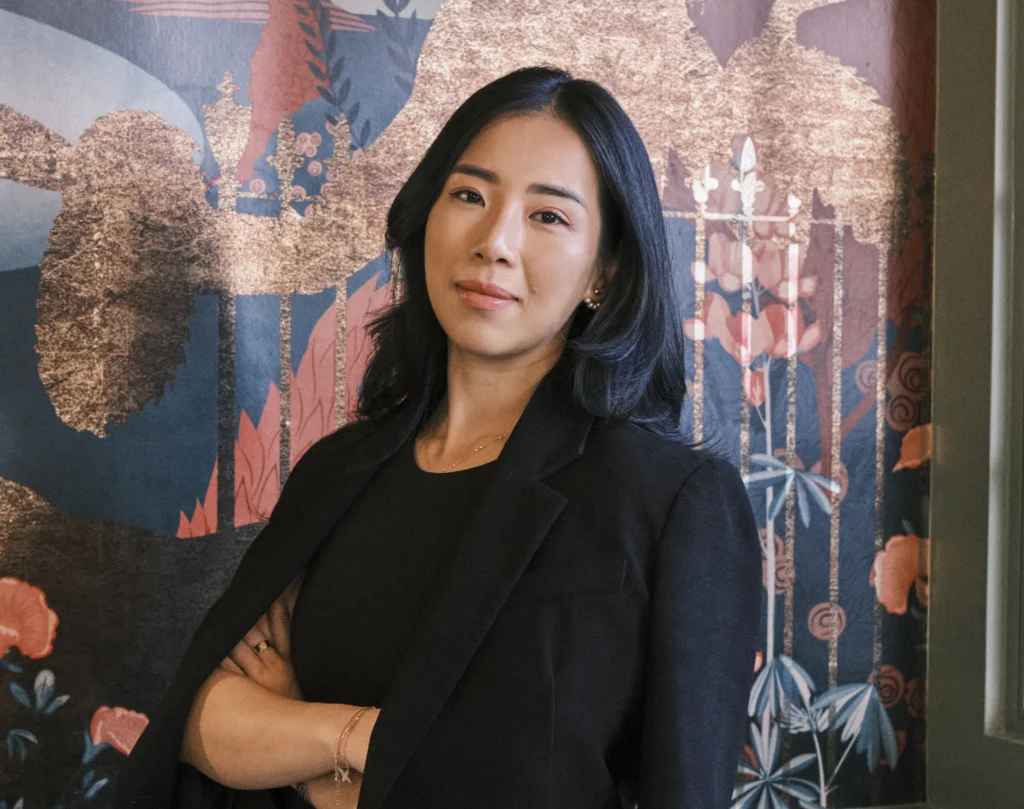
Meet the guest
Jenna Zhang
Jenna Zhang built SipZen, a TCM-inspired sparkling wellness drink, after being diagnosed with PCOS and Hashimoto’s and deciding Western medicine wasn’t enough.