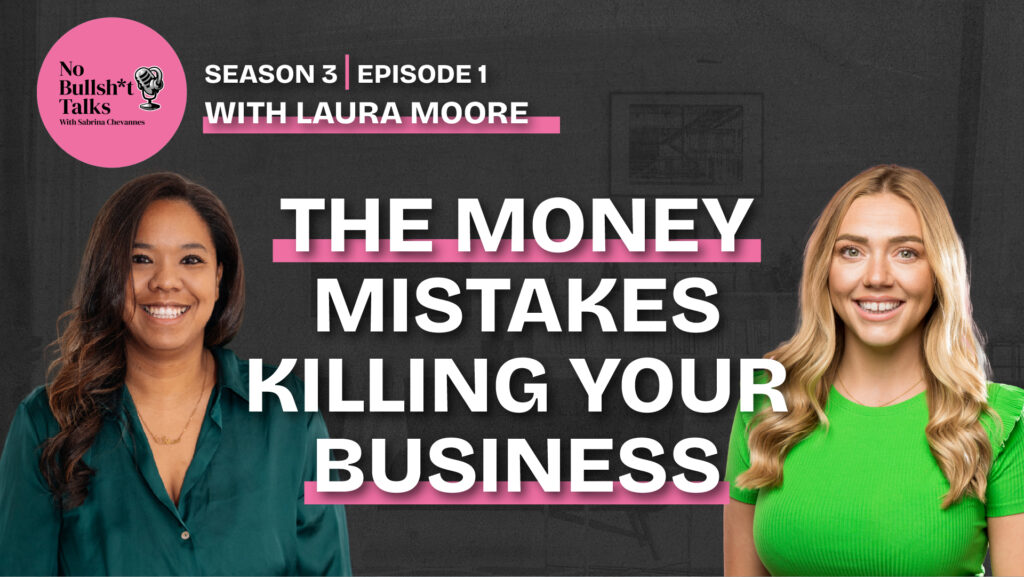
No Bullsh*t Talks · Season 3 · Episode 17
The Woman Selling Impact Back to the Attention Economy
With Isvari Maranwe.
 Watch on YouTube
 Listen on Spotify
 Apple Podcasts
About this conversation
On Founder experience & growth
Founder/CEO of Yuvoice (rewards real-world impact over engagement) and The Yuvoice Sentinel (citizen journalism). Ex-cybersecurity/national security attorney, ex-particle physicist at CERN, TEDx speaker, 350K+ followers. The bio reads as a highlight reel — physicist, lawyer, founder, speaker.
The real tension: she’s built her business monetising activism and impact while building her own following on the same attention-driven platforms Yuvoice positions itself against.
Watch
See the full video conversation.
Listen
Take the conversation with you.
 Audible
Watch the moments
that travelled.
Watch, share and continue on the original platform.
Read the full conversation.
The transcript is organised by timestamp so it can be generated from the master transcript, edited once, and published here without designing a new section every week.
Why impact should matter more than fame+
Today. People are so starved of love and affection and I find it so easy to follow people. Social media has converted fame to a currency, has elevated fame to a currency like money, which was a great way to equalize many careers. And we believe that, like impact is that next generation we need to shift society to caring about impact or impact is the most important thing.
Not fame, not money. I think so much advice on social media today is to close down an isolate and paywall human connection, because corporations want you to be lonely, because lonely people spend more money and that is point blank, period. The problem with current social media they want you to hate people.
They want you to be single. Single people spend more money. They want this. And it's really it's really bad. I think.
No Bullsh*t Talks is a podcast for entrepreneurs by entrepreneurs. There's too much bullshit out there, especially when it comes to business. This podcast aims to highlight what's true and what's not in the world of entrepreneurship, bringing you honest and raw conversations about the rollercoaster that is entrepreneurship.
Each week my guest will be a high performing entrepreneur, sharing the ups and downs of their journey and helping you prepare for the road ahead while providing you with actionable insights and absolute gems of knowledge. Stay tuned as I introduce this week's guest.
For you is the founder of New Voice, a new social media platform that rewards purpose over engagement. And she's also the founder of The Sentinel, a global media brand. She's a former cybersecurity and national security attorney, and now she's built an audience of over 350,000 people. As a political and tech commentator.
I present to you this week's guest is Shari Marano.
Welcome to a no bullshit Talks.
Thank you so much for having me. It's such a pleasure to be here. It is such an honor. I feel like, you know, we already know each other really well because we chat, like, online and stuff like that. It's like the first time we met in person. I know, I know, it's so exciting.
I'm so glad to meet you.
I'm so glad you're here. And. Oh. You have so many strings to your bow. So I'd love for you to introduce who you are. Like what you do as much as you want to say. And then we can just delve into everything.
Sounds good. Um, so basically, I run a startup right now, which is a new social media platform, and I feel like it's the perfect culmination of everything else that I've worked on. Um, so I was in physics, researched in particle physics and supernova cosmology, and then I went into law and policy and political science, worked as an attorney for the US government for a while, and represented a bunch of fortune 500 in tech, where I learned a lot about how current companies suck.
And so I want to build something better. And I worked in civil service legislation, so thought a lot about public service, how to get people active in their communities, and all of that. And on the side, I was in journalism and influencing, and so I learned a lot about social media that I accidentally started a nonprofit around the pandemic time.
So I'm super into movements. And that led to you voice. And I also run a citizen journalism media platform. Which is something I really care about because I think media is dying and we need solutions. So now it's 100% EU voice and the Sentinel, which is our citizen journalism arm.
That's a lot of stuff. And I'm saying that who does a lot of stuff like you do.
Like all those things right now I know, but it's like it's still I have seasons in my life.
I've had a lot of seasons. I mean, yeah, okay. But that still sounds like a lot of stuff. I'm like, that's a lot. But I feel like, I don't know, I feel like I dabble. You do things. You're doing things at a larger scale. Like, I feel like it's a you voice is already a big thing. Like everything's a big movement.
I see you as I don't. Do you get offended by the time activist? Do you like the term activist? I feel like it's got a bit of.
I feel like it's descriptively accurate.
I also just like, I don't love the euphemism treadmill. So I'm like, okay, I'm an activist. Maybe I'm also a change maker. I'm also an influencer. I'm also a content creator. Like people don't like the word influencer anymore. Yeah, like content creator, thought leader. I'm like, whatever it is, I know what we're talking about.
Activism, injustice and refusing to stay quiet+
I think, yeah, I think I don't like labels in general because of that, because people put people in boxes and they, they, they try to. Yeah, they try to mold you into something. But that's why I said, are you an activist? Because I think when I, when I hit activism, I imagine people chained to rails and like, you know, that.
And then there's a lot of negative connotations to it. But essentially you are doing activism, right. You know something, but you're you're changemaker. You're very much trying to push change. And I love that. And obviously I very much believe in that. I hate injustice in the world. I'm consistently obviously sniffing out the bullshit and calling it out like that is, you know, that's.
Because that's how it is. That's how we connect. It is like, that's it.
Like you.
Saw somebody else.
Who's no bullshit.
That's awesome. Exactly.
And you actually appreciated the shit I was calling out. So I was like, then we started chatting and I was like, okay. And it was really nice to speak to someone else who cared a lot. And I think that's what we want. Real conversations. That's what I think resonates with me is, is how much you care. And I was having this conversation with someone I was because I'm when I post this week, I don't know if you saw it or not, but essentially I was talking about someone who didn't like that.
I called out their bullshit online, basically reacted so badly they took it upon themselves to try and destroy me in every social media channel. They they went nuts. So much so that I had to hire someone because I couldn't look at my phone anymore with the amount of abuse that I was getting through. And this is not the first time that I've had to do this, but I literally hired someone to go through all my social media channels so I could log off my phone and not have the abuse coming through, because they then started to write to all the people who commented on my post saying I was a scammer saying or this sort of thing, and it was really badly affected me and they did it across like LinkedIn, Twitter, YouTube, Instagram, they went wild.
TikTok. I never used TikTok and they were just there abusing me on every single channel. And it was a lot. And I then wrote a post on LinkedIn about it and I was saying like, just screenshot some of the ridiculous stuff they'd been sending and the most responses were. Name and shame them and, um, just ignore them.
Yeah. So when I call out the bullshit, I never put names because for me it's about the action, the lesson, the understanding and the reason why you're behind the bullshit. It's not about bringing individual down. It's not about them, per se. And the whole it just ignore it thing really riled me up because I was like, so many people say this and yes, it's easier than it's not worth your time and energy.
Sure. But how is change ever going to happen in the world if everyone just ignores everything and then all the bad people get away with stuff? I was like, every great thing, every great movement, everything has ever happened in this world has not become come from someone just ignoring it. They've actively fought it.
Yes, it's been stressful. Yes, it's been difficult. But that is why we are in all of us in such privileged positions today. And it's like how I am a black woman who actually can run the podcast and be in a nice place like this.
Because people didn't.
Ignore it. People didn't.
Show.
Exactly. All the people before me did not just sit there quietly. They actually did stuff. And actually, yes, they they wasted their time and energy. People they wasted they invested their time and energy into doing that. So I could be sat here today. And I just think it's not like when I decided to have like a family someday when I'm trying to inspire them, how can I look them in the eye?
And like, I just walked away from that, like all the wrongs that's happening. And so for me, I can't do that. And so the whole it just ignore it thing really riles me up. I feel like it's, it's the sort of narrative these days that people are doing because it's easy. The whole walking away, being alone, it is selfish.
It's a selfish, easy option. And too many people are choosing the selfish, easy option, expecting everything to be rewarded to them. But you can never get anywhere if you always pick the selfish, easy option. Absolutely. And so for me, when you came up and we started connecting. I was like, oh my God, you're like the only person in the world who actually gives a shit.
And she wants to do stuff. And I think.
Using your voice when the stakes are high+
That's what makes it fun. You're not 100% like you.
People have to. People have to do something. And I actually love how Michelle Obama, she came out and she said recently about how she doesn't just subscribe to the when they go low, I go high anymore because it's so bad in America now. And I, you know, I admire Michelle Obama a lot, and I love that she came out and said that and one of my favorite people in the world, huge inspiration.
Um, her name is Davina Long, actually.
She's she's really.
Great. She, she she actually told me, told me this quote that I, like, have put up. She's like, if if they go low, I go to hell.
That's that's my new motto in life.
She's like, don't, don't come for.
Me, don't play with my people. And I was going to tell you this too. If people come, come after you again, just I'm ten toes down to like, help, like protect you and.
Say someone else.
I will do.
That. Someone else with that in the comments.
And it actually meant so much to me. And I also was just like, do you don't tag me? Next time, just tag me in.
And I'm like, oh my God.
I am like, that's just that's just what it is. I'm like, don't come from me or my people.
I need more people like it. And I was like, when you said that to me in the comments, like, oh, I was like, that's so nice. I was like, that's. And and that's also what I'm trying to build is like real community, like people say community. Now I feel like, again, you said, don't use these buzzwords. I don't like the word community, even though that's what it is.
A real community is that it's like having people there for you have the bats, and I think that's why I really like what you're doing because of the fact that it's it is real. And I think the fact that it's also your calling out the bullshit in the way of, like you said, influence some people. And again, I don't like the term influence because of the itchiness that's been around it.
But you are an influencer. Technically, I'm an influencer, so anyone who's got any level of influence is an influencer. But you're you're taking away that kind of attention economy and like, you know, rewarding the algorithm bullshit, the manipulation of all that kind of stuff and bring it into your own version of social media platform, which rewards purpose and meaning.
Which is why I think it's so powerful. So I want to talk about that, like, because first of all, people have these ideas. No one ever implements them for a start. Like, you know, you did. Um, how is that going? You're taking on your own social media platform is not an easy thing. That is, it's huge. It's huge.
So talk to me. How on earth did you even think about doing this? Like, what does that take? And you know, where are you at now?
Gosh, no, it's such a good question. So originally, the idea for a new social media platform was something that I had at 12 because I saw where Twitter was going at the time, and I was like, this could be so great. And I see the attention economy developing. I see what it's going to turn into, and it needs to stay with the kind of like activism and change making and people sharing their voices.
And it's not going there. And I want to figure out how we could do something better. And of course, that wasn't something that I could do at the time. And so I think around that time I actually site hogged the name Uber com and which we now have and use, and we were like, I was like, okay, I really want to do this someday at some point.
But just as well.
Yeah, I registered. My dad helped me register the website when I was like a teenager.
And I was.
Like, I want to do this. And then every year he would be like, okay, we've decided you're not. I'm not doing this. Do you want to sell it? And I would be like, no, I want to keep these names. And so that's how we have the website because, you know, today it's really hard to get coms. Um, but yeah. And then and then over the years, it just kept developing.
It was in the back of my head, like, we need something better, we need something better. And then I represented and worked with a lot of the companies that you see out there doing the terrible things they're doing now. And I saw what they were doing. I saw what they were getting away with. I saw the way they don't care about cybersecurity data privacy.
They don't they they are using psychologists to sell harmful ads to children and to get you addicted to buying things and to make society care more about fame and outrage than impact. The entire attention economy is so harmful psychologically, racially, gender like it's driving gender wars. It's like there's there's 25 different harms it's doing.
And so eventually, um, I and a whole bunch of people I really admire and appreciate at nonprofits I've worked at, like sat down and were like, okay, what is everything wrong with today's social media? From small things that nag us about how hard it is to, like, start a business on social media to like major issues, and how do we create something better?
How do we have a better algorithm? How do we have profiles that connect people to real friends, not networks? How do we get people to care about impact? Stop telling people they should be good without rewarding them for doing good, because that's like people like you got to shift society where that's normal because it's it's there's less friction to doing what's normal.
So if we normalize people caring about impact, then people are going to do more impact, because now it's something to brag about. We can change societies. That's what people brag about, and it's going to take time and effort. But social media is a great way to do it. I think social media started to create rooms where there are rooms I've entered where everybody is super, super rich, and I'm there because I'm like an influencer or content creator.
I'm famous, I can be in that room. And so social media has converted fame to a currency, has elevated fame to a currency like money, which was a great way to equalize many careers. And we believe that, like impact is that next generation, we need to shift society to care about impact, where impact is the most important thing.
Not fame, not money.
Building a social platform that rewards real-world impact+
That's incredible. But how would you actually do that?
Great question.
Yeah, great. It's like okay. Yeah, great. Yeah. So um.
So we have like we have a whole bunch of different ways to get at the apple. But I would say one of the big things and I like patent pending, like I'd say really big innovation is we just literally reward the things that you accomplish and you get offline and you do in the real world or you do online, but that create a tangible impact.
So we have a tokenized karma point system where you where you get rewarded karma points when you accomplish real world goals that are verified by our communities and community moderators, all our communities have to have real world goals, Smart goals where you're like, okay, we are, you know, Beyoncé fans sport ending homelessness in Chicago.
And here is how we're working on it. And here are like the five goals we're going to accomplish this year. And if we accomplish, it's going to improve lives in this way. So we want, let's say, 100,000 karma points to award out into our community. And then we're like, okay, this person helped develop the website.
This person went out to a protest. We're going to award one karma point each to everybody who attends this protest. We're going to award ten karma points if you help, if you go out and like volunteer at the soup kitchen, um, this this project is going to help pass legislation that's going to then move the needle forward.
So if we successfully pass legislation, this is a huge impact and we're going to award millions of karma points. And then the community goes out and it's like, okay, we know we know Sabrina to this part. We know John did this part. We know. So we're going to award it out that way. And the way we do it in advance is you can award out missions.
So like you can be like, we're going to give you 300 points for completing this task. And then our algorithm really pushes people who are doing that. We're talking about who post fact based things, who have higher karma point totals, who are working on impact. We're not awarding, um, the attention economy and we're going to add free feed.
So there's no incentive to the attention economy.
And you can't gamify things and join engagement pods and buy followers and all that sort of stuff, and it's done by genuine hard work. That sounds like a fricking dream. Like, honestly. Like it's it does. It's like. And it's just like, I'm just sitting there thinking, why aren't I using this platform all the time?
Like, where am I not on it? Like, I mean, this.
Is just like, doesn't exist yet, but this.
Is like, I'm like, I need to have this in my life because it's like it's just filled with good people and, you know, the people who are going to be doing it.
And I'd say the good versions of people, because we think everybody can create impact. We're like, you know, people go on LinkedIn to be a professional version of themselves, and they go on Twitter to mouth off. And yeah, they go on Instagram to be prettier. And like, I'm like, okay, when you come to our platform, just be the best version of yourself.
Like in terms of do a good person who's doing impact come to try and change society and and actually, you know, try to convince people to change, try to have those debates and conversations from a healthy place just.
Elevate.
You know, like how I feel like everyone's performing on social media to an extent, and they're doing it for external validation. But even if you were on your platform trying to gain external validation, to do that, you actually need to do good anyway. So the byproduct of faking it to try and get your dopamine here, you're still creating good in the world.
So actually, in a way it's a brilliant model, which I love. So how do you make this into a platform?
Technology, algorithms and designing for better behaviour+
Yeah.
No, it's a great question. So, um, Rochelle, our incredible CTO, is incredibly smart woman who knows everything that I don't know. And then some about algorithms, development, AI. She's an AI genius, like creating AI backed social feeds that are better at this. So we had such incredible ideation from thousands of people around the world, test users during our pilot, all the stuff about what they wanted to see.
And now we have like a phased release plan over the course of this year. Very, very grateful to be fully funded. So she has like the money to spend to hire the developers that she needs to like, build us out. But I want to give full credit like she is like the genius behind the tech side of things.
So do you know, that's another thing we have in common. We both have our star employees called Rochelle.
Oh yeah.
She is my creative manager.
For several years.
And.
She's amazing.
Like you guys. It's obviously a great name.
Oh, yeah, no, I did.
So there you go. Well, there you go. Big up on both of our shells.
Exactly.
They are wonderful. But I want to talk. As you said, you just said casually that I was fully funded project. Where's the money from? How is the money like? So where was like. Because people are very difficult to to get funded. And especially these days people talk about women. People of color. Women of color.
Yeah.
You don't get funding as much.
Yeah. No, there's no.
Talk me through where this funding.
Has come. Yeah.
Great question. So we have the world's best angel invest it like genuinely like actually Davina I mentioned earlier who's my inspiration. She is our angel investor. Um, I talked to her, like, daily. She's great. She's like my friend. Um, she's like my sister. Really?
And, um.
I met her actually through through LinkedIn originally because I'd put a post out about she actually reached out to me at her post about what we were working on and she and the family that, that, that gave the money, the Cummings family, their investment fund and stuff. They really care about mental health.
And so they care about better mental health solutions for children and for young people and adults into the future. They work with mental health training programs in in society. They work with police departments to like, do better. So America's police system's bad, and they really care about a future that's better for mental health.
And I love that about the Cummings family, about Davina there really come into this. And they looked at social media and were like, wow, it is psychologically harming society and it is creating massive issues and we need a platform that's better. And mental health has been something we've built into the voice platform for the get go.
Healthier algorithms, non addictive algorithms, getting people offline, rewarding people for getting off their social media, trying to convert that short term dopamine hit to the longer term community building, healthier happiness, contentment, hormones from like real people in society, going out and doing things like having friendship, having community.
And so that's really what inspired them to give us the money that they did. And we were raising $1 million angel round, and they actually came in for all of it. So we have a single angel.
I'm like, absolutely incredible.
Um, so I love them because we're completely aligned to the future. There's no pressure for me to take a bad acquisition because I've already had acquisition offers pre product. No pressure to like take it to just make a ten x return or 20 x return. It's like, no, we're in it to build this. We're in this to compete with the big names.
We're not in it to get acquired by them.
There's so much talk in entrepreneurship about raising money. It's glamorized, I think. I think I don't know, I see especially tech bros. Like, you know, you go online in tech and just like you're just raising like, and there's all these like pictures of like, yeah, just do my X-rays and it's become this kind of like, I don't know, it's become this cool, sexy thing to do.
And actually, do you know what? I'm like, a bootstrapping is supposed to be like porn and like. But actually then you own 100% of the company. So I'm like, I'm not. I'm not like, you know, offended that I'm not raising or whatever. But obviously raising is really hard. It's a whole big thing. People talk about a lot.
It is much harder. The stats show it for women. It's much harder for, you know, people of color as well. And there's a lot of help out there, which is great now that people are doing that. But you've also had a $2 million offer, which is kind of nuts. So I want to talk about this as well because, um, like I've had some balanced women on this podcast actually, who have raised millions and millions and they've been on Dragon's Den, they've had like, you know, all this and they've been and I'm like, in all, they've all been so confident, so intelligent, so poised, and they know their shit.
And it's been like, God, you guys are fantastic. But every single one of them have also told me the downsides of racing, and there's always a story behind it that's not glamorous. That is actually quite like rough and dirty. And so I know that you've obviously had a 2 million, um, offer or raise that was going through.
I want to hear more about this story, though, because I feel like it's a lot of money. There's a lot of most people probably thinking, I want $2 million like me, but talk me through that. And actually.
Raising money against the odds+
Really, I love.
This, and I think it's so smart of you to have, like, locked on to that story, because I love.
That. Um, so.
No. So I think that that is the hardest thing to do when you're raising is one sticking it out, believing that you can do it. Because especially for women, 98% of capital goes to men, then that 2% is mostly going to white women. And so you just got to like, believe, be delusional.
That you're going to exactly that you're going to beat.
Those odds. And all that notwithstanding, we raised a million on an idea alone. We did not have a prototype. So even that regardless of race, gender and all is really difficult. Yeah, I'm saying and I was a down market at the time, and I think that it was so tempting to take the first offer that we had that was large, and what ended up happening is we had multiple offers that were even oversubscribed, like 2 million was double what we were asking for.
You know, we had the option to take less from the comings and take from more people, or to build a larger cap table, or to take from higher ranked investors or to get more money. And in reality, I think one of the hardest things to do is realize you have to put the company first. And it's not about short term financial gain.
So I say the drama there, or I'm so grateful for the advisors I had, is a bunch of people looked at the contract and they looked at what this investor was offering, and they were like, this is bad money, do not take this money. And we didn't need 2 million. We need 1 million. But you know, this, this specific investor wanted way more of the company.
They wanted terms that were incredibly predatory for us. And there were other offers that were at that high that were not that predatory, but didn't work out for other reasons, like alignment, timing. Um, they weren't the Cummings. They weren't divine. I wasn't like the right vibe. And since we were in a privileged position to be able to choose.
We just picked the best at best that we had, but we didn't pick the highest investor. But we picked somebody I think is like worth so, so much more in the long term, like so much more. And I'm so grateful that we didn't like, let go of 20% of our company that early on because it's an angel round. I have to just trust my gut and my advisors who are like, don't take this money.
There will be plenty of other offers later. You know you have the product or the idea people are going to come in. It's okay. You'll figure it out. But this money is going to kill your company. Eventually, this investor will push you and I 100% agree, because if we had taken that money when that acquisition offer came in earlier this year, I guarantee you on the terms, like he would have been able to force a sale or make my life very hard for me.
And he would have wanted to he would have been like, sell to this teens. I gave you an offer. So basically one of the large social media platforms had like a subsidiary that reached out and we're like, we want to buy all your IP. Shut you down. Um, we love your idea. You don't even need to wait to launch. We'll give you that ten x return right now.
And I was like, no, I want this to compete with what's out there. I'm not doing this to become rich. But if we'd had an investor who was just in it for the money, they would have been like, no, you got to take that. I want my next return in six months.
I got the say much there. I'm like, I'm thinking I'm like, okay, so it's the fact that a lot of these competitors don't even want you to exist. That's why they're doing it. They're actually investing to kill it. It's to kill the idea as opposed to actually make it happen. And I'm just thinking, again, you said you had the luxury of having to choose.
Most people don't have that. And then they take the money and then their ideas are just gone, which is so gutting. And then again, I'm thinking that you said about the predatory thing, like, would this have happened if you're a man like and you don't know and obviously you don't want to cry, the gender card, which everyone's going to complain about, but it's the fact that, like, often it is the bullying because you're an inexperienced founder or woman or whatever, and they take advantage of.
Turning down money and choosing the right investors+
This.
Big glowing offer and you're just like, $2 million is a lot of money, and it's a lot of money to anyone. Come on. Like, and it's like you're going to. That's how do you turn down $2 million. And most people it's so hard to do. And so they know what they're doing. And it's so difficult for anyone to just be like, oh my God, I can turn this down.
And so this is what's scary out there because you said you had advisors. Again, not everyone has advisors like. And how do I want to even go back to just how did you get your board of advisors or whatever? Because I think that's also so important. Like all these things are and again, it comes down to you've said so many things so many times, many you found on LinkedIn, you've built up this community which will come back to you because that's so important.
But it's like if you didn't have the right people around you, you could have been screwed.
By 100%, I would.
Have. And unfortunately, most people are not so lucky. And so they are in these positions. And all of the things that all the glamorous Asians are, the big sales that we hear about. Great. But there's also 99 other people who are getting screwed over every single day by these things.
And sometimes there's even a really great sale. But the person didn't make a lot like the founder didn't get a lot of money from that. Totally. I'm so grateful for everybody in my life. And I think two places for me. One is law school. Huge privilege to have a bunch of lawyers in my community who are very protective and are then also going to read every contract line, go out there and build a network, be like, oh, I wouldn't sign this.
We're very, very risk averse people in general lawyers. So I think that helps. I also think being an attorney with Attorney Francis helped, because I watched people turn away big money for a better life or for a more impactful career. I've done that myself. So I think very young, I got rid of that personal attachment to how much I was earning, what my salary was, how much money I was making.
It wasn't a thing for me mentally to turn down an extra million, even though that's a lot of money for me, it was. I was very able to be like, well, money isn't everything, and I'm able to have the life I want, so I don't need to care about bells and whistles. And I think that comes from being an attorney and all of my background there as well.
And then I would say a lot of my non attorney folks I've found through actually my social media presence because they started as fans or people who really loved my content and they reached out to connect or to give advice or because they were investors and they're like, oh my God, I can help you. And because they were fans of my content, they were like waiting for when they could help me.
And they're really loyal and really protective because they've seen my career over the course of my social media presence. And so it's weird, but I feel like I've turned a lot of parasocial relationships into real.
Real relationships.
That's like the dream, right? So for me, it's like I consistently talk about Valentine metrics and how useless they are. And actually it's about real community and I can't. Some people go, oh, I'm my community. And they add up all their followers, but most of them don't really care. Like so many people have like vague followings.
And then like, you know, for example, I know a particular influencer, she's got like 600,000 followers on like each platform. So she's like got millions across a different platform. Right? And you know, when she runs an event, she struggles to get 50 people there. And it's like, that doesn't make sense.
Yeah.
If it doesn't add up and it's like the disconnect is that like. And so many people I know that I've worked with because through my agency, we help founders who kind of are the are the face of the company. So they're working on their personal brand as well as a business brand. And so many times they have so many followers, but most of them would never buy from them.
And it's like there's always you've got a line of people who are waiting to kind of help you, which is a really big thing. I want to go into that a bit more because so many people talk about.
Their.
Obsessed. All the content I see is obsession with like trying to go viral, trying to build your following. It's all about like creative economy, attention, economy. Like, you know, follower count, you said you said earlier about attention and following a bit of currency and it is and it's like nuts. So you said you've been in these big rooms in which people because you're an influencer and it genuinely is that now like people are seeing.
And like when I talk about someone, they go, oh, I've never heard that person. I was like, oh, they've got like half a million followers.
I was like, wow. Yeah.
Building a real audience without performing a persona+
And it's like, I don't even tell a single thing about them or what they've done or how they've got this, but it's like it's like, oh, there must be somebody. And I'm like, wait a minute, but that's never going to go away. And as much as I try to fight it annoyingly, that is some sort of validation for who they are as people.
So my question is, first of all, you have like you have a ton of followers right across all the different platforms. First of all, how did you build that following up to be a loyal, genuine, engaged following? That's a difference. It's not like you write something that goes cricket, and it's like having people not only just follow you, but genuinely reach out to you to to be part of what you're building and helping become your board of advisors, because that's way more valuable than just a bunch of people who are just like great posts on everything, you know.
Like, you know, it's like you actually have a meaningful set of people who are willing to support you. How did you get that?
Such a.
Good question. And I love it because I also think it is an important way of thinking that I have this like. Teaching moments.
I want.
To take. Which is that simply because somebody's done something does not mean they've studied it and can give you good advice.
Okay, so I.
Am not a social media marketer. I am not good at marketing like I do not like. I don't really consult.
A marketing because I'm okay.
But like I've done the thing, but I don't feel like I'm an expert at the thing, if that makes sense. So take everything I say with a grain of salt. This experience is anecdotal, not like studied and researched, but I would say for me it's that I'm really just what I say on the tin. So like people who care about me online or who enter a parasocial relationship with me, then meet me, it's like I'm exactly the same person.
I use the same voice at home talking to my husband. I just like I taped, like I wake up in the morning. I like tape in ten minutes and hit post on TikTok. My hair is a mess. Like I don't like. I'm really exactly what I am online. And so I think that when people then get to know me more, it's consistent and I don't have a persona.
And I think that so the people I attract fundamentally from the get go are the real.
People.
Who, like, are going to care about me in real life because I am in real life that I am online. And there's a disadvantages to this for sure, and I have to be careful to remind myself, like, I don't want to reveal where I live and I don't want to like, I want to be private online and I don't talk about everything.
I think it's easy for people to like, see who I am, and then if they like it and reach out, I can consistently the same person. And so that helps a lot. And then I think the other thing is I just don't give up. So like if I want to have 50 or 60 K 100, whatever it is million, I'm like, okay, I want that and I'm going to just keep trying.
And so I'm just like, I'm not too attached to metrics because I feel like I can get the metrics I want if I choose to spend that kind of time and energy dedicated to it. And so there have been times when, despite being a large influencer, I'd just like goes to the platform for a year because I didn't feel like it, or a year and a half and I just like, I don't know, I don't want to do this anymore.
And then suddenly I'm like, no, wait, now I do want to have more followers. So I'm going to go do it again. And so for me, everything I pursue is because I want to. And then I'm like authentically showing up on the platform. And I think that resonates with a lot of people because it feels doable and I think it is doable for everyone.
It's like one like you reach for your dreams and you stay who you are, and then you'll achieve.
What you.
Achieve. And that's.
Enough. That's enough.
I feel like so first of all, you started off with just because I've done it doesn't mean I can give advice on it. And I found that so fascinating that you said that because this is literally the like model that all these bullshit is, I would say, do online is that they, they, they do it well, they don't actually do it.
They try something, they fail at it, and then they sell a course on how to do that thing that they actually did in the first place. And that's basically.
What.
Most people do. And you're literally going.
Oh, gatekeepers.
On purpose.
They're gatekeepers on purpose. Yeah.
Authenticity, influence and the limits of online advice+
And I'm like, then you've literally done it. And I'm like, well, actually I've done it, but I'm not gonna tell you how I'm gonna do it because I don't really know. And I'm just doing being me. And it's like, interesting because you are showing up as just you. But that is still the advice that loads of these gurus say, right?
They say be authentic, show up consistently and you're doing that. But it's like, I think a lot of these people are claiming to be authentic, but they still put on a persona and it's like, I don't want to go. How many times do you pose and do it? Because again, I don't want it to feel algorithmic or or, you know, formulaic as what people are doing and they're trying to say there's a blueprint, but essentially you've built something up, but so many people are doing what you're doing, but they're not getting the same effect.
So what do you think it is? Because I feel like also, I think consistency is a big thing and I hate that word, but it is a big thing. I like giving up lots of people. Now I see go, oh, I'm posting and the algorithm hates me. I'm not really getting that much views. And like you said, you don't care about metrics as much like you said.
But at the same time you said, oh, if I want to get 50 followers or 50 K followers or whatever, I show up. But what? Because essentially you're doing it for the right reasons. You want to impact people, you want to have a real voice and you want to, you know, genuinely impact in the world. I think that's important for start, but what what do you think it is that you're doing that other people aren't doing who are showing up every day with content or whatever and doing stuff.
And why aren't they getting the impact that you are?
No, it's a great question. I do think a part of it is volume, just because then you get a really good gut sense of what works and what doesn't. So you have to like, analyze your metrics and not take it too personally. It's like, okay, like right now I feel like TikTok doesn't like me and like, okay, but let's ignore that.
TikTok's going to be TikTok. Like, I'm not saying life is fair. The world is fair. But like then you kind of figure out how to operate with that unfairness, then like you're like, okay, how do I use what advantages I do have to hit the market? I can hit which platforms are the skills that I'm natively good at going to succeed better on?
Like, I actually I had a private Instagram account until a few months ago because I was like, Instagram's not my M.O. I don't have the time, energy, bandwidth to like, dress up properly every day and take a really nice photo. And so I know I'm not going to go viral on Instagram the way that I could on like, TikTok, where there's more like they promote the type of thing that I can create better.
So I think a part of it with volume is just that you start to get a good sense of what works and what doesn't, and then I'm like, okay, these posts do better because people are looking for this, so I'm going to do more of those types of posts. But I think a part of it is also just having a mission bigger than yourself to stay consistent.
Because for me, I didn't open TikTok. Not even I was watching. And I didn't open TikTok for a year because I didn't want to, and there was no clear tie in to what I was trying to produce at that time. And then I got back on TikTok because, you know, the Sentinel is really growing as a citizen journalism platform.
I want to, like, cover more of it. I want to get people to read it. I want you voice to have, you know, like to sell your voice. And I was we launched next year. So I'm like, okay, now I got to build a following for something I care about, and that motivates me a lot more to keep trying and to not take it personally when I have a bad day or something.
But I would say a lot of people are not actually being authentic. Online is just like they don't actually put out, like they're taping, they're editing. People can tell editing. I think they're not being honest. I think it's entirely like the snow bullshit talks. They're not actually there. They're bullshitting on land.
And people like at some point people are not going to like that. Even you might get you might get 100 million followers that way. But we've seen with the demise of celebrity culture, which I think is great, like people criticize celebrities, they cancel celebrities. They're like, you're not doing enough, right?
I think that we've hit the point where no matter how many followers you have, if you're bullshitting, it's not going to be the kind of audience that you want.
Yeah. And I, I agree with that, obviously. Hence my whole brand and hence the whole point of.
Trying.
To find the people who also feel the same way so that they can be in a community where we all know bullshit and we're all real together. But there are very few people who do that. People are still obsessed with influencers, obsessed with celebrities.
People need therapy. It's like they don't even.
Know that they.
Are BS. I think that's part of the problem that they be asking to themselves. And I'm like.
Okay, get therapy and then go on social media. Social media is not your therapy. It's actually really bad for you. You have to be.
Able to like, have.
A really good mental health space. And then.
I agree. I mean, that's the whole point of premise of what I'm doing is trying to get people offline and in person because I don't want them to be on social media. And it is it can be quite toxic for you. It was just quite scary. But on that note, you are running the Sentinel, which is an online thing and it's a journalism.
But tell me more about what? Because that's actually running and that's active and something that's actually, you know, something that you're really passionate about? Tell me what that's like, how it's different from other platforms and what your goals are.
Yeah, yeah, yeah.
So the Sentinel is basically an alternative to like news media. So think like AP. New York Times media organization I feel like media has gotten to be such a broad word.
Citizen journalism and who gets to tell the story+
I like struggle to explain.
It's just a news site, guys.
It's a news site. But it's it's.
Really incredible because our goal is to build the largest citizen journalism force in the world. And we really believe that the people who are living through history do a really good job of telling the story about what's happening on the ground themselves and speaking their own truth themselves. And we don't need to fly in journalists from the UK or the US to other countries to like, learn what's going on there.
You can ask the people who live there and they can tell you what's going on. We're also seeing an unprecedented amount of media bias, government interference in media in the West, weakening of reporters and media norms. Even Al Jazeera just fired like 20 journalists in Gaza, which threatens their lives because they lose their journalists status.
So we're seeing media around the world be weakened. There's authoritarianism in the US and in India, destroying two of the largest media markets in the world. Um, the UK has a lot of media issues. I struggle to find papers that are good and that are thorough, and I am tired of seeing breaking news. One person got mildly inconvenienced in the US and I'm exaggerating it basically.
And then like 30,000 people die somewhere else has.
Like a.
Byline. So I think that's what we're trying to fix is do better in media. We run a global editorial and then we also are running journal journalism. So we're growing our journalism force around the world. And yeah, we're really passionate about everyone has a storytelling getting it out there and then starting to cover the important news globally and not just from the US and the United Kingdom.
So that's what we do.
I love again, obviously the concept is great and again, with the right purpose, the good. But how do you build up a media empire? Because it's like basically I guess you start from a blog. It's actually it's a blog which most people have done blogs about for years. But you turning what essentially is a blog with some ideas into a global media outlook.
How?
Yeah, yeah, yeah. So, um.
Actually, I've never written for the Sentinel, and I never will. Because as CEO, I feel that that would be like, I don't want people to think that we published me just because I'm me. So when I want to write, I actually still just do my personal medium or LinkedIn. I'm not getting the advantage of this because I think I would want to stay independent.
We don't want if I ever did a CEO letter, I think it would be really special circumstances. We have a global statement of progress and that's we don't comment on events, we don't endorse candidates, we're apolitical, all that. But I think it's just because from the get go, we were like, this is going to be a media empire.
So let's work backwards. How do we get there? And we have literally the best team in the world. We're talking like, I don't know, like hundreds of people have helped make it what it is today. There's hundreds of people involved right now and incredible C-suite. Everybody is showing up and just being like, we want to be the site.
Everybody reads and we want to create a living museum of stories and of life lived today and we need to record history. And so our tagline is witness history. You voices make history. And our goal is to help people witness the history they're living through and to record us that it can't be changed and erased.
And I think it's a really powerful message that really resonates with people around the world. And people want to volunteer for it. They want to give their time. They want to build something incredible. And so, yeah, I just think it's the team.
Honestly, I feel like.
The.
Whole theme throughout all of this is good people, and it's like the consistent. That's what I'm hearing. I'm hearing that is the consistency.
I do nothing.
Alone. I'm too unmotivated to do anything.
But I think that I've said, this is someone yes. I was like, you know how it takes a village for anything like it really does? And I know successful person has ever done it by themselves, ever, ever, no matter what they claim. Like, you know, like.
Building the right team and helping people first+
I feel like.
That's what it is like behind every successful person is a whole team of amazing people who believe in them. But throughout everything you've said for building your voice, for, you know, your personal life, for everything. Like building sentinel and, you know, raising. It's because you have great people around you.
But I feel like it's hard to find good people out there like I'm talking about. No bullshit. I'm struggling to even find good people for the podcast I want full of shit. Like, you know, like, it's, like, really difficult. And, like, even when I'm building my members club, I have we have a company of an 8% acceptance rate for the applications coming through because so many of them are just bullshit us.
Yeah. And it's so hard out there if you want to keep quality. So how have you built such an integral network of really quality people who have great morals and values and ethics? Because clearly what you stand by who want to build a bigger purpose picture and like you said, you've got a global brand, you've got a team is building out, you know, this new voice like, and obviously the people who come in from your LinkedIn, like, how have you attracted so many great people?
And like, what's the secret behind me?
Like, it's such a great question, honestly.
Um, I think the easy.
I guess the easier thing to adopt is the fact that I think I try to really help people. So, like my first question to people is always like, how can I help you? And 90% of people that does not come back around to me. I'm not saying this because it'll eventually make your life better. I think it just makes me the sort of person who, like, cares.
So it's like practicing my empathy muscle, too. It's like I always think about how can I connect people. I fundamentally do not believe in a zero sum world. And if I catch myself thinking it is and not helping someone because I worry it might take away from me, I correct it immediately. So, for example, I have helped several people like close funding rounds while I was closing funding rounds, I would connect people to investors who would otherwise invest in me because I was like, you know what?
I'm this is not I'm going to help other people also get funded. And this has not created anything for me. This is not where our money came from. But I think that like slowly, we can like build a better society if we just keep doing it. And so the other thing I would say is like really unpopular on today's social media, which is I don't set the best boundaries.
I don't go out to figure out how to optimize my success and happiness out of every single interaction. I don't get upset if people expect too much of me. I do airport pickups even though people are entitled to them, or I'm like, okay, people come into my house, I'm like, whatever. Like I don't like, I'm always like, I'm gonna stay here.
It's fine. Like it's a mess. And I'm like, I don't. I try not to let things bother me. Um, and the part that I think is really controversial is I love people who social media would say don't deserve to be loved. And I love people despite being hurt. And then I'll still love people. And I know that a lot of people are like, don't do that.
But I think you can practice two muscles. You can practice the muscle that sets better boundaries and like kind of isolate yourself because no one is perfect. No one is perfect. Like that's the problem. Like people are like, well, when you friends with somebody who said this like thing and I'm like, yeah, but nobody's perfect, right?
Nobody. Everybody says like and does things sometimes really bad things. I'm not excusing the thing, but I'm not saying the person still doesn't deserve love. And you can practice two muscles. If one of two muscles, you can practice the boundary setting muscle, the protective muscle, the I am fine and stronger on my own muscle.
Or you can practice the muscle of bouncing back after you get hurt and loving anyway. And so for me, I get hurt. People leave organizations and like I feel hurt that they abandoned me or something because I love them and because I love my coworkers and I love the people we work with, or people do things or say things that are hurtful.
And then I'm like, okay, well, I'm still going to care about you. I'm still going to care about the next person. I'm not saying I don't then cut them off or I don't say, hey, you're not the right fit for this role. I let people go if we need to, but I still care about them. I still care about the next person. I don't assume the next person will hurt me the same way.
I'm not putting up boundaries. I'm practicing my bounce back muscle instead of my stop loving people muscle. And I think that helps a lot, because today people are so starved of love and affection, and I find it so easy to follow people. And I just do that and like, it's okay. I love, you know, I love you. I want you to promote my community.
I'm going to do what I can to show up for you. I care about you. I'm going to keep you in my thoughts. I'm going to, like, do all this. And then if it doesn't work out, that's okay. I'll practice the bounce back. I'll do it with someone else. Not I'm gonna close down. And I think so much advice on social media today is to close down and isolate and paywall human connection, because corporations want you to be lonely, because lonely people spend more money.
And that is point blank theory. The problem with current social media they want you to hate people. They want you to be single. Single people spend more money. Dating apps want you to be single. They want you to not have friends so that you're paying for therapists. You're paying for that cute little device to make you feel better.
You're using AI more as a friend. They want this, and it's really it's really bad, I think.
So it was such a privilege to have you on today. And like, I think there were so many amazing things on this podcast, which I feel good and just great advice and hope and hopefully people will self-reflect and realize how great their lives are to today. Thank you so much.
Thank you so much for having me. Yay!

Meet the guest
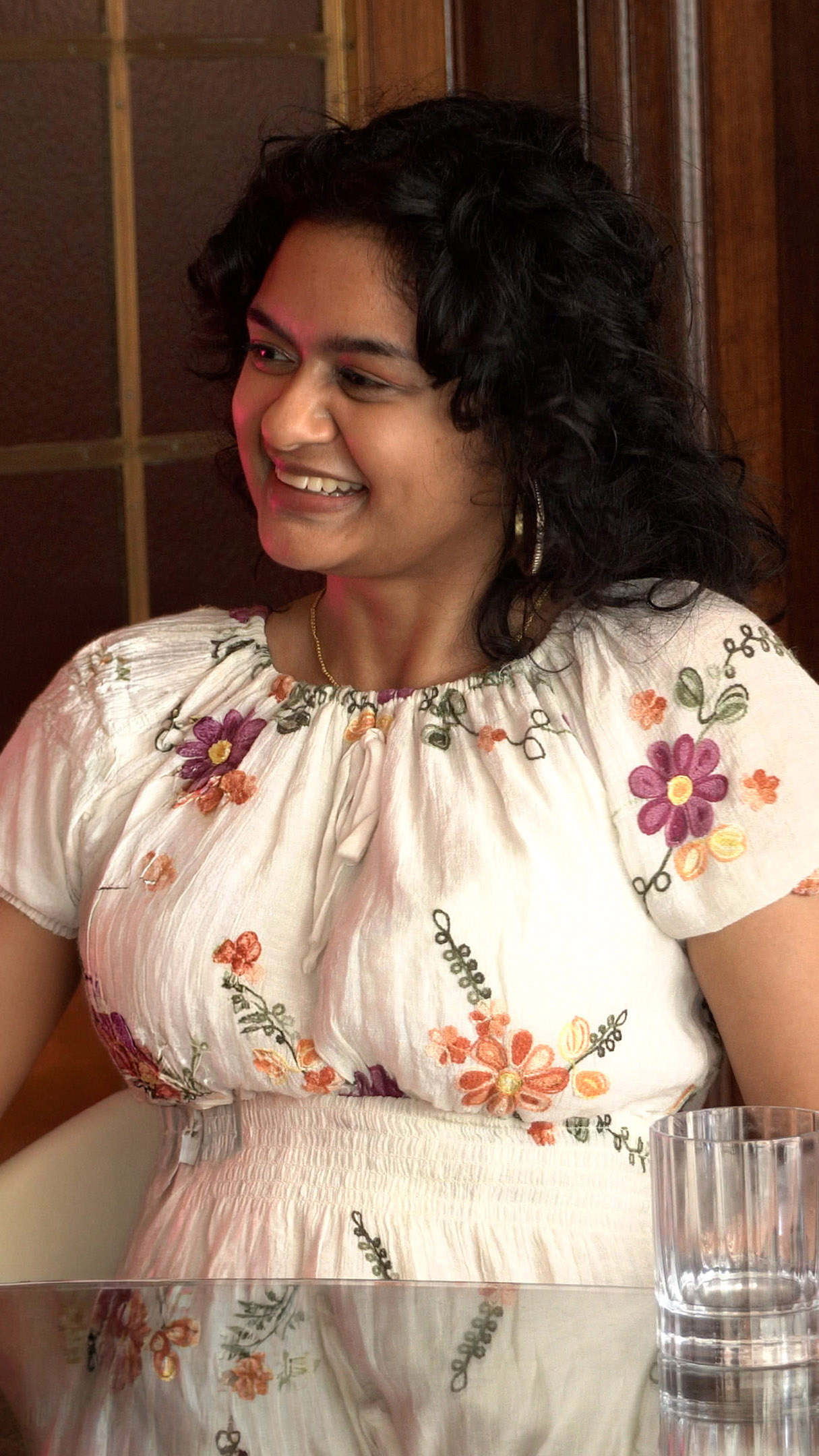
Isvari Maranwe
Isvari Maranwe is a Silicon Valley born-and-raised tech leader, policy analyst, and lawyer, who has represented the U.S. government in Washington, D.C. and now lives in London. She is the CEO and Founder of Yuvoice, the new social media company that rewards users for tangible impact. She is also the CEO and Founder of The Sentinel by Yuvoice, building the largest citizen journalism force in the world.
A Georgetown-educated cybersecurity attorney who has represented clients from Fortune 500s to indigent people, Isvari has been a Global Law Scholar in international law, worked at a Top 10 law firm, and worked with the U.S. Departments of State, Defense, and the Federal Communications Commission. Isvari received the Outstanding Achievement Award from the U.S. Office of Secretary of Defense for her work on civic education/activating public service and the Out in National Security Award.
Isvari has also been a journalist (The Boston Globe, The Washington Times) and Top Writer on Medium, with several viral pieces in Life, Business, Love, and Politics.
Isvari is a speaker (notably 2x TEDx, 5x Medium, London Tech Week, and chairing TechEx in London) and has over 350K+ followers as a policy analyst and tech influencer. She is an AI ethicist, speaker, and expert and consults with the Gen AI Academy helping large companies and Fortune 500s use AI effectively. She coded machine learning algorithms as a teenager.
Isvari has a science and tech background in particle physics at CERN and supernova cosmology at the Lawrence Berkeley Lab, where she worked under Nobel Laureate Saul Perlmutter. She researched in CERN at 14, graduated UC Berkeley at 17, and Georgetown Law at 20, all with honors and prestigious scholarships. Experienced in Python and C++, she taught law students Python at Georgetown Law with famous professor Paul Ohm.
Isvari is also the founder of the viral mentorship nonprofit Dweebs Global and an author represented by literary agency Watson Little in London.