No Bullsh*t Talks · Season 3 · Episode 1
The Money Mistakes Killing Your Business(+ The Truth About Content Creation)
With Laura Moore.
 Watch on YouTube
 Listen on Spotify
 Apple Podcasts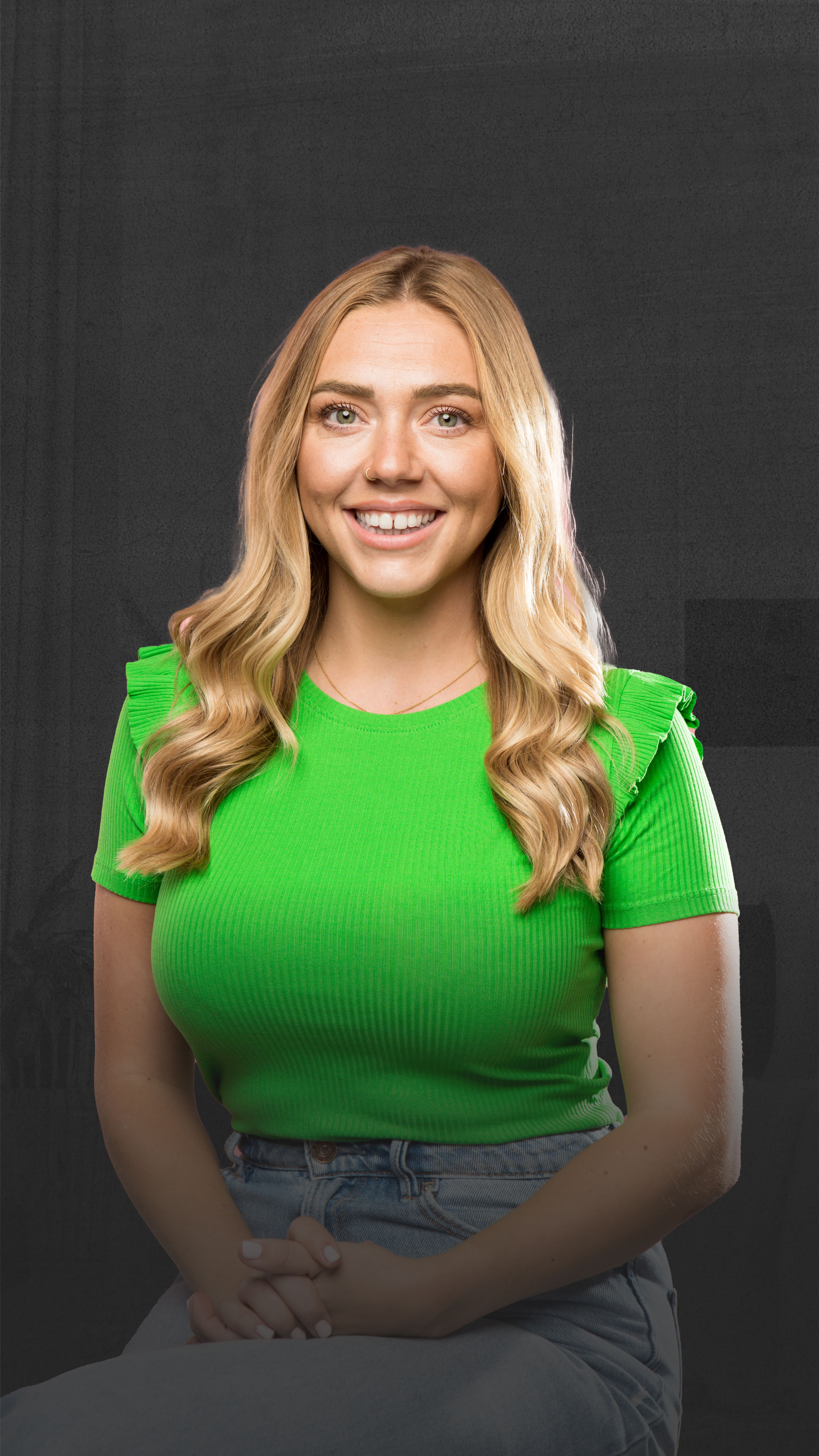
About this conversation
On Money
Laura Moore is a money mindset coach who helps people make more money and change their relationship with money. We kick off the new season of the No Bullsh*t Talks podcast with a special live show and Laura discusses the biggest money mistakes that entrepreneurs make and some practical tips on how to build your wealth.
Plus, as a social media influencer, Laura creates a lot of content for her audience and advises how founders can balance making content and running a business
Watch
See the full video conversation.
Listen
Take the conversation with you.
 Audible
Watch the moments
that travelled.
Watch, share and continue on the original platform.
Read the full conversation.
The transcript is organised by timestamp so it can be generated from the master transcript, edited once, and published here without designing a new section every week.
Introduction to Laura+
Welcome to a very special live episode of No Bullsh*t Talks. I’m so excited to kick off the third season of this podcast. I cannot believe we’re already at Season 3, and we have got so many amazing guests for you.
I cannot thank everyone enough for their support with the show. We’re just growing and getting better, and that’s why we’re bringing you these live episodes where we are actually in front of a live audience. You can actually buy tickets for the event, so stay tuned if you want some more details on that.
But I want to start off by saying a massive thank you to Drake & Morgan, who have been hosting our live podcast. They have this fantastic venue space in London. I know how difficult it is to run events—I run them every single week—and Drake & Morgan have been an incredible partner to *No Bullsh*t Talks*. They’ve just been so wonderful with their gorgeous space, their hospitality, their friendly staff, incredible food, and, obviously, delicious drinks.
So, I wanted to say a big thank you to them. We hosted our podcast at Drake & Morgan in King’s Cross, but we’ve also had events all over London. They’ve got so many different venues, and if you’re looking for a fantastic spot to host your event, or even just throw a massive dinner or party, they are dog-friendly too. We have dog brunches. Honestly, it’s a beautiful space. I cannot recommend them enough. Big shout-out to Drake & Morgan. Thank you.
Without further ado, though, I want to start our special live podcast episodes. Everything will look a little bit different, but we are going back to the usual format later. For the next two episodes, you’ll enjoy a live format. So, thank you for joining us.
On top of that, being an entrepreneur is about being okay with wanting wealth and wanting money, and therefore being able to confidently sell your services and charge the right price. When I first started out, I would do the craziest things for, like, a fiver because I’d be like, “Oh, it’s okay. I’ll just give them loads of value, and they’ll come back.” And they’ll come back, and then I’m just here with my fiver, like, minus 100 hours. So, yeah, but it always comes back to mindset. It’s always mindset.
Laura Moore is a money and mindset coach who helps you get financially confident, take control of your future, and achieve financial freedom. She’s helped people save thousands of pounds just by building small financial habits into their daily lives. Laura is also the host of the “Mind Money Soul” podcast and has her own money course called “The Feel Good Investor”.
I now present to you this week’s guest, Laura Moore.
Yes! So, I’ve got two guests with me today, both of whom I think are no bullshit. They’re very real, and I think their content is fabulous as well. I would consider them both to be content creators, which I feel like we all kind of have to be as entrepreneurs these days.
I’m going to start by introducing Laura Moore as my first guest. So exciting! Give her a round of applause.
I butcher introductions. I always do. So, I’m going to let you introduce yourself because I feel like it’s important to let people understand how you describe yourself, because I think a lot of people find that difficult.
For me, the hardest question anyone asks me is, “What do you do?” It’s like, “Oh my God, where do I start?” It’s really hard.
Being a female money advisor+
So, I would like to ask you: What do you do? How would you describe yourself?
Hello, everybody. My name is Laura Ann Moore, and my whole thing is about helping people think differently about money so that they can confidently build wealth.
I do that through content. I’m a podcast host, a financial coach, a speaker—what else do I do? The irony! The whole thing is about being judgment-free and making money really fun, especially for women.
I feel like there have been so many financial setbacks for women, just generally in society and in the way money is viewed. I’m a big believer that the way you think about money is how you will then be with money. So, yeah, I talk a lot about money mindset and investing, which not a lot of women do. I’m like, “We’ve got to build the wealth.” So, yeah, that’s me.
I found it fascinating because, like you said, it’s a very male-dominated industry—finance. I think there’s a massive trend at the moment about bragging about how much money you earn, and obviously 90% of the time it’s just bollocks.
So, I feel like what you do is really interesting because you’re trying to make it normal and you’re trying to make people feel comfortable talking about money.
But doing what you do, what setbacks have you seen in terms of money? Because you’re standing there, creating content all the time and talking about how to build wealth, but you’re pretty young, you’re a woman, and you must get a lot of people going, “What the hell do you know about money?”
So, I think let’s start with that. First of all, what the hell do you know about money, Laura? Why are you even here?
Yeah, it is interesting being a female in this space because I think the general view of finance is old white men—pale, stale, male.
If you Google investing or search for it on YouTube, it’s mostly just older white men. I think being a young woman in this space is… I haven’t had too many issues with people in the industry. It’s more people not in the industry who don’t expect to see me talking about this stuff.
I love it because I’m like, “Huh, surprise!”
But I do think that what I know about money would be the same as somebody who’s older who maybe had a really poor relationship with money their whole life, then realized they needed to change, did all the research, got into personal finance, took a course or a diploma, and then went into the industry.
Just because they’re older doesn’t necessarily mean they know more. We might have the same level of knowledge.
Importance of being certified+
So, I am self-taught with everything that I know about personal finance, but I also mix my own experience into it.
I’m a big believer that we all have a money story here. Things that happened to us when we were younger impact our relationship with money. So, as soon as we all came out of the womb, we were all sort of starting to experience things with money, you know, covertly or, you know, in your face.
And I do think that, for me, I’m really open and honest when I don’t know something. You know, I’m not afraid to say, “Oh, you know, I’ve got an investing group that has a bunch of people in it, and we talk about all the things.” And if I don’t know something, I’ll be like, “Oh, yeah, I’m going to go and research that. I’m going to go and ask the people in my community about that.”
I’m not afraid to say that.
But I think the thing with building wealth is that personal finance is personal. So, there are a million different ways that you can do the same thing. There is a set, you know, bunch of rules and frameworks that you can follow that tell you how to build wealth, but the way that we then take it on and do that is personal to us.
And the financial coaching, mindset, psychology part—I read “The Power of Now” when I was 16. I was so obsessed with psychology and mindset. I’ve mixed that into my work.
So, yeah, anybody that says, “What do you know?” I say, “What do you know?”
Actually, but I feel like, you know, there’s obviously a lot of charlatans in the finance industry, but you’re actually a qualified financial coach.
So, I want to talk about that because I talked about this on my podcast with Holly, actually. That was one of the things we brought up. It was coaches versus mentors versus advisers and how different they all are, and how important it is to make sure you’re certified.
If you’re ever looking for a coach, that is something so important because everyone seems to call themselves a coach these days, and everyone’s a guru, everyone’s an expert, and they’ve literally watched one YouTube video, and that’s it.
And I had someone come to me the other day, and they are now a habits coach. And I’m like, “Okay, so what’s your background in that?”
“Oh, I read James Clear’s book.”
Great book.
And I’m like, “I’ve read it four times. Does that mean I’m four times better than you? Like, what the hell?”
It’s so bizarre that that is now a thing.
And so, talk me through, I guess, your journey because, obviously, if people are listening thinking, “Oh, she still doesn’t know anything about it. Like, she’s self-taught.” Like, obviously, that’s rubbish.
So, where did you start? Why did you start? Like, what made you be like, “Okay, I need to be doing this.” And how did you get certified?
So, to give backstory, I basically was born into a family that doesn’t have loads of money. And money was a massive stressor for our whole family from a really young age.
And by the time I got to 16, started, you know, making my own money—I was working at Argos, team leader—and I was a total money hoarder.
Like, it was great because it meant that I was really good at saving, but it came from a place of, like, total fear.
And I basically didn’t think that I was going to be in this career. I fell into it.
I actually wanted to be an actress. I thought I was going to be Kate Winslet in “Titanic 2”. I don’t know how, but that was the plan.
Wait, was that actually made, that movie?
Okay, just checking.
I was like, “What was the plan on that?”
I was like, “Wasn’t she actually, like, an old lady at the end?”
That’s not what I wanted.
So, when I turned 19 and I chose not to go to university, I got a full-time job, and I was like, “I need to save money for drama school.”
So, family couldn’t give me any. I said, “Right.” I set my heart on £15,000.
So, I saved that money by the time I was 22.
I mean, I don’t think I saved £15 by the time I was, like, 22. What the hell? That’s crazy.
So, yeah, it was quite… I was really impressed.
I was a delusional 19-year-old, but it worked.
And then, very last minute, I got an opportunity to go travelling with two of my best friends. So, I took that opportunity.
And my lightbulb moment with money was that I didn’t have to choose based on which one I could afford. It was just, “Which one do I want?”
And that’s when I was like, “Oh my God, money is so cool. It gives you freedom. It gives you choice. It gives you options.”
So, when I came back from my travels after about eight months, I spent every single penny. No regrets.
And, you know, I got my old job back. I saved another £25,000. I moved to London.
And I was the opposite of my twenties. I think it’s probably opposite to a lot of people’s twenties.
But I set up a blog and an Instagram just talking about money and just, like, sharing my personal experience and did the whole thing.
You know, I was probably 26, 27, and people were coming to me saying, “Please, can you help me? Can you coach me?”
And I was like, “Yeah.”
And I was doing it behind the scenes, and it was always money mindset and money management. There was no investments, mortgage stuff. It wasn’t advice. It was just, “How are you managing your money?”
And I had that thing of, like, even though I know I’m good at this and I know I can help people, I want to get a qualification behind me.
And in the financial coaching space, same as, I guess, all coaching spaces, you don’t have to have a qualification.
So, there were only, like, three options, so I went with the one that felt best.
And, yeah, I mean, I ended up learning so much, and I’m so glad that I did it.
But it felt really important to me that I had that qualification behind me.
So, the coaching stuff is rooted in, like, neuroscience and psychology and coaching tactics and, you know, all the things that you need, as well as the kind of personal finance element.
And now I am currently in the midst of taking my Financial Planning Diploma. So, in two years, I’ll be a qualified financial adviser.
So, if I want to advise, I can.
But the world of financial advising is an interesting one. I don’t know if anyone’s had a financial adviser, you know, but the world of financial advising is an interesting one.
It’s like there are more men over the age of 60 than there are women as financial advisers.
There’s kind of, like, this part of me that wants to do it to be like, “I’m a girl in the space.”
Also, the problem with financial advising is it’s usually for people that already have their wealth, whereas I kind of want to work with the people who want to build wealth.
Like, “Tell me, what do I need to be thinking about?”
But, yeah, so that’s kind of my journey.
But it was important to me to be qualified.
I really love that.
And I feel like there’s so much talk about this. I was literally having the conversation with someone today about education and whether, like, a degree is even important anymore in this day and age.
And, you know, as someone who’s got degrees, I think it’s important to kind of, you know, verify your knowledge and everything…
Biggest money mistakes+
But I don’t think necessarily they’re needed.
I think that you can leave school and actually gain way more experience from doing that than anything else.
Think about anything you do. Like when you go for driving lessons, you don’t actually really start learning how to drive until you get into a car by yourself. And then you’re like, “Crap.” You know? And that’s when you start doing it.
I feel like that’s the same in business. You can go and get an MBA, but you’re not really learning anything about business until you’re getting right in there. You’re then having to do everything yourself. You’re getting screwed over. You’ve got no money to pay your staff or whatever. And then you’re having to really teach yourself.
So, I think that’s the same thing. And I think that it then gives you that validation and the credentials and, you know, the kudos to be able to say, “Look, I’m actually verified.”
Yeah. Because I wanted to be an actress, they were like, “Go to university and study drama.”
I was like, “Me sitting and writing a piece of coursework about how to act doesn’t make me a good actress.”
But when I got into the job that I had, I worked for a small marketing agency. I ended up working there for about nine years.
I learned so much that, by the time I set myself up in business, I knew how to pitch. I knew how to sell. I knew how to stand up in front of people. I got all my experience on the job.
And I wouldn’t be doing what I’m doing now without all of that because, whilst the financial coaching part is what you do with someone one-to-one, all of the other stuff I learned by working under my boss’s wing for, like, nine years.
Yeah. And I think that’s what I’m saying. Nothing beats that actually hands-on stuff. It just doesn’t.
Let’s talk money because I want to know… I want to know how to make money.
No, I’m joking.
I want to know—you have the secrets. Just tell me all of it. How do I get rich right now?
What are the biggest mistakes you see that people are making these days when it comes to money?
And obviously, most of our audience are entrepreneurs and founders, but I’d love to hear, generally, what are people doing wrong when it comes to money?
And then, is that the same thing founders are doing, or is it different?
Talk us through that.
So, I would say, in my experience generally, there is this idea—well, this feeling—of taking on society’s beliefs around money.
You know, “Money is evil.” “Wanting money makes you greedy.” “You’re selfish.”
So, you have these kind of societal beliefs that can affect how you then behave with money.
But on a personal level, not looking at your money is probably the biggest thing.
When I sit down with people and I say, “Okay, what are your bills? Where are your expenses going? What are you spending money on?”
They’re like, “Oh, I don’t know. I don’t really look at it.”
I’m like, “You have to know.”
It’s painful sometimes, especially if you’re not where you want to be.
But I think sometimes people think—and especially entrepreneurs as well—if you’re actually okay at making money, but it just seems to go straight out again, you have to get in touch with it.
So, yeah, all people in personal finance, I think, struggle with the budgeting part because it’s boring.
Like, no one wants a budget. It’s boring.
But rich people have budgets too. They just have more money to play with.
So, this idea of, “How do I create a spending plan? How do I then stick to it? What are all the mindset things and the beliefs I have about money that are making me overspend, spend on credit cards, ignore my finances, dip into my savings?” You know, that kind of stuff.
But if you’re an entrepreneur, it sometimes then translates into business finances.
I’ve worked with people who have run their businesses for maybe three or four years. We’ll work together, and they maybe want to scale or, you know, make sure they’re making enough profit.
And I say, “Okay, show me your finances, your spreadsheets.”
And they’re like, “Oh, I don’t have one. I just make sure there’s enough in the bank.”
And I’m like, “Oh, no wonder you’re anxious.”
So, I think this idea of getting to know your numbers is really important. The mindset of getting in touch with that.
And on top of that, being an entrepreneur, being okay with wanting wealth and wanting money, so therefore being able to confidently sell, confidently sell your services, to charge the right price.
Like, when I first started out, I would do the craziest things for, like, a fiver because I’d be like, “Oh, it’s okay. I’ll just give them loads of value, and they’ll come back.”
And they’ll come back, and then I’m just with my fiver, like, minus 100 hours.
Money mindset issues+
So, yeah, but it always comes back to mindset. It’s always mindset.
So, let’s talk about that because I feel like how many people right now are just like, “Oh my God, that’s so me.”
We’ve all done that. I think we’ve all at least been through somewhere on that. Whether it’s not charging enough money, like trying to give away value because that’s the key word that everyone says—value and consistency. Just give, give, and, you know, it will somehow monetize.
And I think that mindset is a massive thing. I think if you shift your mindset of how you approach money, and that thing about being okay with wealth, I think that’s a big thing that people struggle with.
It’s like to say, “Actually, I want to charge X amount of money because I am worth that much money.”
And then having someone go back and go, “Oh, well, that’s expensive,” or, “I’ll go somewhere cheaper.”
A lot of people get offended by that. A lot of people are like, “Oh my God, should I reduce my rates?”
Or actually, they make themselves doubt themselves because they’re like, “Well, am I charging too much? Am I not worth it?”
And I think that I really admire people who are just really confident about it. They’re like, “Yeah, sure. Go somewhere else. You can go cheaper, but they’re probably not going to be as good.”
You know, they can be like that.
And I think, for me, it is impressive. There are people who can be, you know, that sort of okay with it.
On a mindset front, since you coach a lot of people on this, where are people struggling? Like, what are some of the things that they come to you with? And how are you able to help?
So, yeah, I think the whole “charge your worth” thing is really interesting because I am a big believer that you shouldn’t attach money to your sense of self-worth. You actually have to uncouple it.
Because if you are already struggling with self-esteem or confidence, and you’re building up the courage to be in business, if you then say, “Charge your worth,” but you’re subconsciously not feeling worthy, then you actually will end up not charging what you’re even worth in the industry.
So, there’s an uncoupling involved. Your self-worth is not your net worth.
How can you show up and say, “I’ve got good skills. I’ve got, you know, a good product, a good service. The industry rates are this. Maybe they’re higher, maybe they’re lower.”
But being able to show up and say it because we all have days where we’re not feeling our best selves, and you don’t want that to affect your finances.
So, with money mindset, your money mindset is basically just your set of beliefs and attitudes about how you spend, save, and invest your money.
And it comes from, I already mentioned, societal beliefs, religious beliefs, the religion you were born into, the culture you were born into.
But the key thing being the experiences that you had as a child.
So, I always say the first thing is starting with awareness.
Like, what happened when you were younger? Who influenced you the most with money? What phrases do you remember hearing growing up?
Like, for me, the classic: “Money doesn’t grow on trees.”
My dad said that like it was going out of fashion.
And it was always at work. So, I built up a belief: “Okay, well, money is really hard to make. It’s really hard to earn.”
So then it’s understanding, like, what happened to me when I was younger? What experiences have I had? And what has that made me believe now about money?
And is it helping me, or is it hindering me?
So, it’s always awareness first.
Yeah. Go in judgment-free.
I’m a big journaler. Get your journal out and just ask yourself those questions.
Some of the stuff that comes up, people are like, “Oh my God, I forgot that when I was younger this happened,” or, “My mum always used to say this.”
“I think that’s impacted me in this way.”
So, really just starting to become aware of, “Okay, maybe if I behave like this now, maybe it’s because of that.”
Like, I understand why I built up that story.
And then changing your language around it is a really big one.
Being able to say, “Okay, I keep saying this to myself.”
I did a talk this weekend on this stuff, and I had a woman—she was probably in her 60s—come up to me, and she was all teary-eyed.
She was like, “I haven’t realized this blind spot.”
“I’ve done mindset work for years in business and with my body.”
And she was like, “I’ve realized that I have been on repeat to myself, to my partner, just saying, ‘Oh, money… You know, money is just always the one thing I can’t quite get my handle on.'”
That, in itself, you’re creating your reality with that same script.
And sometimes, when it’s been the same for years and years, it’s like a blind spot.
You can spot other things and be like, “Oh, that area of my life’s fine.”
But with money, it’s like you have to apply the same principles and be like, “How am I talking about it to myself? To other people?”
That’s where you can then do something about it.
Do you think that some people are more prone to this than others?
Because you’re saying about, you know, how you’ve grown up around it.
I feel like all parents must say, “Money doesn’t grow on trees.”
I feel like that’s just a parent thing to say. Like, you know, it’s the most common one that people say.
But I’ve had some people say the opposite, and their parents were really like, “Oh, well, money comes and goes.”
But what that made them do was become massive spenders because they were like, “Oh, well, money comes and goes.”
But then they didn’t pay attention to it.
Also, when you hear a phrase like “Money doesn’t grow on trees,” everyone takes something different from it.
We don’t actually all think it means the same thing. I’ve realized this within the last year.
So, I was talking about it, and I said, “You know, for me, what that meant was money’s hard to make. Money’s hard to earn.”
And someone in the audience was like, “Oh, that’s not what it meant for me.”
It meant something completely different for her.
So, even if it’s the same phrase, the way that you take it on as an individual is different.
Also, I’ve got an older brother. We grew up in the same household, two years apart, same parents.
We went the complete opposite ways.
Hearing that made me be a saver because I was like, “Well, if money doesn’t grow on trees, I’ve worked really hard. I’m going to hold on to this little paycheck that I’ve got at the end of the month.”
Whereas my brother was like, “Oh, well.”
So, you know, it shows up and impacts you in different ways depending on you as an individual.
What does your brother do?
Don’t say financial adviser because I…
No.
He’s had about a million jobs. I don’t know what job he’s doing right now…
Founders and money+
To be honest with you…
I think he’s doing solar panel stuff.
I don’t know. He’s not a financial adviser.
Like, oh, he’s doing financial advice, but totally the opposite. And he’s just like, “Go nuts. Go big or go home.”
No, but I do think, like, if you have “new level, new devil,” right? So, whenever you do something new that feels scary, you might think, “Oh, I’ve worked through a certain block,” and then it puts a different hat on and shows up in a slightly different way.
So, I worked through all my “money is hard to make” stuff, and I was like, “Now I’m running my business. I’m making money. I’m feeling good.”
And then I got complacent. I was like, “I just live my best life.”
Last year was so much fun. I had the funnest year of my life.
And then I kind of came into the new year, and I was like, “Oh, I’ve not been practicing what I was preaching.”
And some other blocks had come up that I’d kind of been self-sabotaging a little bit.
So, I had to redo the work.
It’s like a journey that you go on for life.
Buckle in, people. It’s not a one-and-done.
But I love that because I’ve spoken to a lot of high-net-worth individuals, and the one thing they all have in common, regardless of their relationship with money, is they all have an abundance mindset.
They’re like, “Oh, there’s enough clients, there’s enough opportunities, there’s enough money, there’s enough resources. I just have to find the way to it.”
And then make sure that you have the habits and the systems set up in place so that when you do make the money, you know what to do with it.
So, I feel like when it comes to founders, I don’t know. I don’t know if I’m speaking for everyone in the room, but as a founder, I feel like we’ve got a weird relationship with money.
Because it’s like when you’re running a business, one moment you’re doing amazingly, and you’re like, you win a client, you get all this money coming in, you’re like, “Yeah, I can do loads of stuff.”
And it’s growing really well. You’re like, “Growth, growth, growth.”
And then you have one thing go wrong, and it goes to shit.
You know, you lose a client, someone leaves the team, and it just spirals.
It’s like you can never feel comfortable most of the time.
Yes, you might have a growth period, and then suddenly it goes like this, and suddenly it goes like this.
It’s really up and down.
And I’m seeing a lot of people nodding, so I’m guessing I’m not the only one thinking this.
But this is what it’s like as a founder.
Even in your best times, you don’t ever feel comfortable.
James, we were just talking. You’re having a great time. You’re like, “I feel great.”
I don’t know about you, but does part of you feel like something crap might just happen because it’s a business, or are you actually good?
You’re better than me.
I feel like some people are like that. They go, “Okay then.”
No, but people are like, “Oh, this is fantastic. It’s a really good growth period. This is great.”
I’m always like, “Okay, I’m going to enjoy it right now while it lasts. I’m going to live in this moment because some sort of crap is around the corner.”
There’s always some fire to put out.
And I think that’s a mindset thing.
Look at the difference. He’s like, “No, this is going great. Nothing’s ever going to go wrong.”
And I’m like, “Something’s going to go wrong with it. It’s going to go wrong.”
So, I think that is a mindset thing because I’d be thinking there’s going to be a trough because there are peaks and troughs all the way through it.
How do you deal with that unpredictability in entrepreneurship?
I feel like, as an employee, it’s different. You know, you’ve got a fixed salary every single month. You can put away a certain amount of money.
We’re going to come to investing in a minute.
You can be like, “I want to invest 5% of my salary.”
Done. That’s done.
You know exactly what you’re going to get.
You don’t ever have that luxury as a founder.
Then something happens—the market, other people—there’s always something that affects it.
How do we deal with those ups and downs?
How do you deal with a mindset like mine, which might be a bit more negative and expect something bad to happen?
Like, what are those things that we need to handle because it is unpredictable?
I think that if finance was just this, you know, straight graph, it’d be much easier.
But how do people deal with those sort of ups and downs?
So, it’s kind of paradoxical because you say we know it’s unpredictable.
To know that it’s unpredictable means that you can plan for it.
You said it’s feast and famine.
“I get loads. I’m just going to enjoy it now because it’s probably all going to go. Something’s going to go wrong.”
So, you probably end up telling yourself that.
When you tell yourself things, we have something in the brain called the reticular activating system.
So, whatever you feed your brain, your brain goes and looks for that.
If you’re ever trying to get pregnant, you see pregnant people everywhere.
When you want to buy a new car, you suddenly see that car everywhere.
So, whatever you tell your brain, it will go and look for evidence to reinforce what you’re telling it.
So, I should look for a pile of cash, right?
That’s what I should be doing.
I’m going to look for a pile of cash, a Hermès handbag, and, you know, a nice Porsche or something, and then it will just show up.
End the podcast there. It’s waiting for me outside.
So, because of that, in those moments of good growth, good money, instead of going, “Yay, this is exciting. I can go a bit crazy. I can do what I want. I might as well enjoy it,” you go, “Great. I get a minute to breathe.”
What does comfort feel like for me?
What does safety feel like for me?
Having £5,000 in the bank would feel good because that would cover my bills for two months.
Okay, I’m going to put that aside.
That’s the bit that people struggle with because, when you have that money there, you do rest on your laurels a little bit.
I’ve done it totally.
About two years ago, I had a really good content creation deal.
I was like, “I’m rich.”
And I just went a little bit crazy.
I invested in a course. I went on holiday. I did all of these things.
Practical money tips+
And my mindset was like, “Oh, well, it’s going to come back in.”
And it did eventually, but what happened was I had the high high and then the low low of going, “If I’d have just not done as much and I’d just planned a little bit better, I could have made that money stretch.”
Now, it’s not just about making the money stretch. We all know that when we’re in that place of desperation and lack and we’re in the famine bit…
Wait, the famine bit.
We know that that fucks up our nervous system. We can’t sleep at night. We feel awful.
So, how do we then enter the world and business and our deals?
We struggle to be productive. We struggle to be creative. We might lower our fees because we’re like, “We just need that deal.”
So, what you’re allowing yourself to do by planning a bit better—and I know we’re talking more about the practical—but by planning a bit better, it allows you, from a mindset place, to show up over those months knowing you’ve got a little bit of cash in the bank because you know that, at some point, the famine might come.
But it means you get to show up in business better, which, ironically, means you’re probably going to make more money.
You know, so it’s the attitude of like, “Okay, I acknowledge it’s unpredictable and it’s feast or famine. What’s in my control?”
But if we think about the mindset part, it’s just diving deeper of like, “Well, why do I think that it’s going to go to shit?”
Is it that something’s happened in the past?
Business trauma is real.
Like, you know, things happen and you go, “That’s going to happen again.”
Okay, it might, but also the way that you’re approaching things is going to be the thing that’s going to make a difference.
Yeah, I think definitely you start to panic, and sometimes it’s just the voices in your own head, right?
You’re just expecting things to go wrong, and actually nothing does, and you’re just sort of waiting for that train wreck.
What are then—you said about practical—what are some practical tips then as a founder who’s building their business and they’re looking to grow, but they’re not looking to…
Say, if they do have those nice growth months and they want to hire three new staff, and they go and do that, and they realize they run out of money, for example.
What advice would you give for founders who are looking to kind of grow their business but slow and steady, get better with their mindset around money, and just build their wealth?
What advice would you give them?
So, if we think practical, I do think planning is the most important thing.
Knowing your numbers.
And if you’ve been told in school or by someone that you’re not very good at maths, or you’re not good with spreadsheets, or you’re not good with numbers, you’re going to believe that.
You’re not going to be good at that.
And you don’t have to be good at numbers to be good with your money.
If you detest it and it makes you want to throw up, I would recommend going, “I’m actually going to invest a little bit and have someone support me.”
Like, you either have two options when you’re a founder and you’re a business owner.
You either manage your own money and your own business finances, or you go, “I’m actually going to invest a little bit to bring someone on board who’s really confident in this area.”
Like, we bring on experts in all other areas.
We get VAs. We get video production. We get support.
Why don’t we do that with our finances?
So, either one or the other, and you can work with someone.
But the planning bit is the most important thing.
Knowing—and this applies to your personal finance as well—knowing what you’ve committed to financially that you have to pay.
Maybe rent for a studio space, staff, all of that kind of stuff.
And then, where am I having my nice-to-haves?
And there’s a method called—I don’t know if anyone’s heard of it—called Profit First.
Oh, yeah. I rave about it all the time.
It’s, like, so good.
Yeah, it’s so good.
It’s literally—I think that changed my life.
Like, literally everything.
Because I think you just change… It’s a mindset about money as well, like making sure you have it.
But I do it. Accountants hate it.
I don’t know if you…
They absolutely hated it.
They’re like, “Why have you got five bank accounts?”
And they think it’s some kind of money-laundering thing.
Yeah.
But they don’t understand.
Yeah.
It’s great.
But you explain it because I’m going to butcher it.
Well, just essentially it means to understand the profit you have in your business so that you can maintain for longer.
You can make decisions around your business that allow you to invest and to grow, and you can do it in a steadier way.
And you have different bank accounts, different pots.
But practically, knowing where your money is going, first of all, it can feel really sticky.
But then, after a while, it actually makes you feel really good because even if you have however much, and it’s smaller than you’d like, you go, “At least I know what’s going on.”
The whole ostrich effect, where we just stick our heads in the sand and go, “Oh, it’ll just figure itself out.”
It never does.
Because even if you suddenly land a big deal, the anxiety of, “But what if? What if I end up with a big tax bill? What if suddenly…”
You know, we don’t want that.
So, the practical thing is really just getting to know those numbers and maybe getting support.
But I think, to add into the mindset side, I’m a big believer in using tools like visualization and mantra tracks and journaling—all of those kind of things—and visual aids.
Humans are very visual.
Our brains love visual things.
So, when I first started out in my business, I had a vision board.
Honestly, it was like this big.
It was in my bedroom, and it had all these things, but in the middle it had the number, how much I wanted to make.
I put it on the wallpaper of my phone.
And what happens when you have visual input—and the point of it is that it creates a feeling—is that it creates a feeling, and you then act in alignment with that.
So, I think the problem with the whole spiritual manifesting world…
So, I’m a woo-woo girly. I love it.
But the science has to be there.
And the science is that when you have that—and you can do it through words, but pictures are best—you act in alignment with that.
So, when I figured out… You know, the whole “money is hard to make,” all of this…
I was like, “Right, what’s the opposite?”
“Money comes easily to me.”
Now, at the time, I was like, “Oh, that feels a bit… It just feels like bullshit.”
Like, money doesn’t come easily to me right now. I’m struggling.
So, you find a middle ground of like, “Okay, I’m spotting opportunities where money comes to me.”
And you’re just priming your brain.
I had my vision board.
I listened to mantra tracks or guided meditations.
And you’re basically teaching your body how to act, how to spot opportunities within that area.
So, it’s like you do it in your brain first, and then you get to do it in real life.
And you can do that with your personal finance, your business finance, selling, all of the things.
Our brains are so powerful.
And we worry all of the time, which is just using your imagination for the wrong thing.
Let’s use it the other way.
Have you ever read the book *The Big Leap*?
Has anyone read the book *The Big Leap*?
Heard of it?
Yeah.
So, it also talks about that.
I think it talks about this thing where, which you were just bringing up, how you have this great period in your life and you feel really comfortable, and somehow you find something to go wrong.
It’s like they say that you’ve got this big presentation and you’re really excited, you’re about to go into a big pitch, and suddenly you lose your voice.
There are so many people who have this situation happen, and somehow they are doing it to themselves.
Like, I’m not woo. I’m the opposite.
I’m definitely not spiritual.
I have to be logic- and science-backed.
But I get it.
I get some of it.
Like I said, if it’s backed by science, I’m open to it.
This book was maybe a little bit woo for me, but I totally got it.
Are founders all content creators?+
And the sense that I resonated with it.
There are situations where it’s like the biggest opportunity of your life, and then somehow you find something bad to happen to you. It’s almost like you are self-sabotaging to put yourself back into that bit.
They talk about the zone of genius and making sure how you can stay there.
So, it’s an interesting book on that.
I feel like with our thoughts, we self-sabotage with our finances a lot.
Like, how many times have I had clients where maybe they’ve managed to save up money, they’ve changed their habits a bit, and they’re like, “Yes.”
And then something happens.
Something goes wrong, or they dip into it.
And it wasn’t something wrong—they just chose to spend it on something.
And I think a lot of us have, subconsciously, somewhere really deep inside, a fear of success, a fear of visibility, a fear of…
If you already have fears around money, even though you tell yourself, “Well, more money would solve my problems,” because you’ve convinced yourself you’re not good at managing money, you’re actually scared of getting more money.
Yeah.
So, it’s this big… it all kind of contradicts itself.
That thing of consciously, “Oh, I want more money though. I want more money.”
How you behave with £10 is how you will behave with £10,000.
So, you’ve got to get better with the smaller habits and the processes and the systems within feeling comfortable to then call more in.
It starts there.
But yeah, I think people… we self-sabotage all the time.
Yeah, it’s not a good thing.
I’ve noticed that as well.
Really paranoid about it.
Money is not scary.
I want to talk to you about content creation now because I feel like so many entrepreneurs I speak to feel the pressure of making content.
Like, I feel like we all somehow feel like we have to be content creators even if we don’t want to be.
Like, some of us in the room are actually content creators and good at it.
That’s different.
But some of us, I feel like we get called content creators because we’re making content because we feel like we have to, but actually we’d prefer not to be making content.
And so, you’ve built your entire business from content.
You’ve literally, like I said, sat down, started a blog, did YouTube, got all your stuff out there, and you’ve built up a really nice following.
You’ve got a shit ton of TikTok followers, you’ve got a big following, and it’s built your business and built your brand.
I want to talk to you about that because I feel like so many of us are like, “Are we spending too much time creating content?”
Like, if I didn’t have to use social media, I wouldn’t do it.
Is content really worth it?
Because it’s a lot of effort.
How has it changed for you?
What’s your journey been like?
And what would you recommend to people these days if they could start from scratch?
Is it really worth it?
Yes.
In my opinion…
*Applause.*
I love content creation because I’m a performer at heart.
Yeah.
Like, I was that 5-year-old kid that was like, “Everybody sit down. We’re doing a performance.”
You know, I was making fake tickets and doing anything to be up on stage.
So, that allowed my speaking career to start very early because I was like, “Oh, 5,000 people? Yeah, get me up and give me a microphone.”
That doesn’t bother me.
So, it’s helped.
But when it comes to content, you are performing.
Even if you’re being authentically yourself and you’re showing up, it’s still a performance because you have to be comfortable in front of a camera.
If we’re talking video, which is obviously all the rage, I’m a video girl.
If I could just do video, I would.
I just love video.
You know, you’ve got your graphics.
I’m awful at graphic design.
So, my struggles with content were when I was making something graphic and static.
I was like, “That looks ugly, and I don’t know why no one’s going to like it.”
But I think that, for me, it shifted a lot because I got on TikTok really early.
I was doing all the little dances and the pointing.
You can find that stuff.
It’s still there.
I don’t want to do that.
That is just like those videos that used to be like…
No, that’s me.
I just can’t do it.
It’s so cringe.
And I just want to know, can you make content and not be that cringe?
How do you do that?
For me, being a content creator and making content has changed my life.
Actually, there’s a lot of stuff that I do now that I wish I didn’t have to do so I could make content.
I love being on camera.
I love video editing.
I love seeing people’s reactions to content.
If anyone follows me—or if you don’t and you plan to—I have a lot of talking videos where I just chat to camera.
But I also do little skits where I wear wigs and create characters.
My favorite character is Money Hotline Sandra.
She’s got a big red wig.
She answers calls and helps solve money problems through a skit.
People love her.
She even got her own brand deal.
Someone came to me and said…
“It’s like 118.”
I feel like that’s the vibe I was getting off.
She is like 118.
Yeah.
A brand emailed me and said, “We’d love to work with you. We want you to make some videos. Can we have Sandra?”
I was like, “Let me just check her diary.”
You know, she made me a couple of thousand pounds.
Oh, I love it.
When I’m making content, when I’m ideating, when I’m scripting, when I’m getting in front of the camera, I feel excited.
It makes me feel good.
I feel in flow.
The ideas are flowing.
I understand that if you’re like, “I don’t like doing that stuff. I don’t like being in front of the camera. I feel like I don’t have ideas.”
And social media is so noisy nowadays that it’s always contradicted.
“Post three times a day.”
“No, post once a week but make it quality.”
“Post long-form.”
“No, post short-form.”
The best thing you can do is find content that you enjoy making and just put it out into the world.
It’s literally not…
I don’t want to underplay the power of strategy because we can always all improve.
But I think if you’re on your content journey and you’re like, “I think it would elevate my brand, having a personal brand, being able to connect with new people online,” just find a way to do it that works for you.
And it doesn’t have to be perfect.
My best-performing content is the stuff that’s absolutely not perfect.
It’s just me like, “Hello, everybody.”
And I’ve noticed that, which I quite like about TikTok because it is quite raw and unfiltered.
I was just saying the other day—I think my post was this…
I can’t even remember.
I do too much content.
I don’t remember when I posted it.
But I think I posted about how I managed to win a client with my 29 views on my YouTube videos.
I was like, “It shows you that actually you don’t need to go viral.”
But again, I am a lot more comfortable on camera than the average person.
Like, I am not you and going to create a Sandra.
Don’t worry.
But I am definitely, I would say, more comfortable than the average person in front of a camera.
So, I don’t care.
You put a camera in front of me, I can talk.
I’m like, “Yeah, just do whatever.”
Sure, I get self-conscious.
I’ve kicked my partner out of the house when he’s come home early.
He’s in the background, and I’m like, “Get out. I don’t want you to see me talking to the camera.”
So, I do get paranoid, and it is a bit awkward.
But I’m still happy to just sit down in front of any camera and talk.
I don’t think most people can do that.
I think most people think, “Oh my God, I’m awkward.”
Actually, I saw a guy the other day, and he asked me for feedback on a video.
He runs a video agency.
He sent me his video, and I was like, “Are you using a teleprompter?”
He was like, “Oh yeah. Could you tell?”
I was like, “Yeah, because you were like, ‘Hello, my name is…'”
Using a teleprompter is a skill.
It is a skill.
But he runs a video agency, and it was awful, if I’m going to be honest.
I’m sorry.
But I said it to him because he’s great in real life.
He’s really fun.
He’s really animated.
But it came across really badly in front of the camera.
I would think that most people don’t feel comfortable in front of the camera.
So, what on earth are they supposed to do?
Are they supposed to do video?
Because, like I said, video is all the rage.
YouTube, TikTok, Instagram, Snapchat—I can’t remember what all the bloody things are.
Even LinkedIn’s now got a video feed.
It’s everything everyone’s talking about.
How on earth are we supposed to compete with that when we’ve got the likes of Sandra getting brand deals already?
No.
And how is the average person who’s a bit awkward in front of the camera but wants to create good-quality video content supposed to do it?
So, I guess, first of all, I would say I follow a lot of pages on Instagram and TikTok that don’t show their face.
It’s carousels, really well-worded.
For me, I don’t see myself as a writer.
I’m like, “Copy is not my thing.”
I would rather, if I ever write a book, voice-note it and then get it transcribed.
I didn’t have an email newsletter for years because I was like, “I’m shit at writing. I can’t write copy properly.”
And then my email newsletter became literally me typing like I talk.
And it’s very well received.
So, I’m like, “Oh, okay. Okay. I can do that.”
There are some people I follow that make the most amazing carousels and static posts, and they are thriving.
So, you can still do it, I think, without showing up on video.
If you’re like, “You really don’t want to do it,” there are other avenues.
Obviously, it’s nice to ride off the coattails of something that’s getting all the video hype.
But again, you don’t have to do talking-to-camera videos.
You could…
There are so many different styles of video that you can do using B-roll and voiceovers.
They work really well.
It’s just clips cut up of you doing random stuff, and then you do a voiceover.
You can even write a script and then record yourself talking over the top.
There are so many different ways.
Which, in itself, is overwhelming.
But I think if you get into the mindset, “I have to be good at speaking to camera to be successful,”…
Content creation tips+
That’s just going to stop you because every time you turn the camera on, you’re going to be like…
So, yeah, I think there are totally other avenues.
Also, podcasting.
Obviously, we love to have a podcast.
People love podcasts with videos, but podcasters are seen as the most trusted form of content creators out of all of them.
And you can do it in so many different ways.
You could do it without a camera if you wanted and push clips using just the audio and graphic waveforms.
Yeah.
And I think a lot of the time, when you say, “Well, I can’t be on camera, so I’m not going to do it,” and you use that as an excuse, then it’s a form of self-sabotage because there are so many other ways that you can do it.
Yeah.
I guess it is just yet another excuse, isn’t it?
Because I guess with an audio podcast, you can just put a waveform on it and trick the algorithm into thinking it’s a video.
Yeah.
I also do think it’s about getting to know why you want to make content.
Because if you’re just on there because you think you’ve been told to be on there, you’re not going to want to be on there.
Whereas if you can be like, “Okay, I would love to have a speaking career.”
Okay, so I need to have a personal brand.
Well, you need to get good at speaking anyway.
I think, “I’m going to be able to find my ideal clients.”
If you’re already making loads of money and you’re doing really well, you don’t actually have to be on social media if you don’t want to be.
But I just think finding a way to do it that works for you is important.
Don’t try and compare…
Classic.
Don’t compare yourself to other people.
But it’s true.
I always think, though, when I think about the most successful business people in the world, I’m like, I don’t see videos and Reels every single day from Jeff Bezos and Richard Branson just going, “Hey, here’s breakfast on Necker Island.”
You know?
I just don’t see that sort of stuff.
And they don’t need to do that sort of stuff.
I guess they’re already established.
But even the ones who are up and coming…
Take, say, Whitney Wolfe Herd.
She was one of the biggest female founders.
She was great, and she’s such a big, inspiring role model to almost every female founder out there.
I don’t really see any of her content.
I know Grace Beverley is obviously really big on social, and she’s doing it.
It’s working for her.
But not everyone’s doing it.
So, I feel like there obviously is a way to grow your business without content.
But obviously, it’s such a big part of what everyone wants to do.
So, I guess my question is, you’re very big on content.
You spend a lot of time on it.
I think it helps that you dedicated time before it became a big thing as well.
Obviously, you got a head start.
It helps that you’re great at acting.
All that stuff’s in your favor.
If you were to give some advice to someone who hates talking to camera, doesn’t have much time, but feels like they need to have some sort of online presence, what would be your tips for them to be able to get good at content and feel comfortable on social media?
So, before I answer that, you know what you said about Whitney?
Yeah, she’s the Bumble girl.
If you’re building a tech-based business, you’re building an app, you’re building tech, there are so many ways that you can do it without being the face of it.
But the great thing is people love a founder story.
They love it.
They love to see the messiness.
They love to see what you’re up to.
They love to see behind the scenes.
People are nosy.
So, even if you can just put a little bit of your life on there…
I’m a massive oversharer.
You can probably literally find every detail of my life online.
But yeah, people love founder stories.
So, I think that can be really useful.
I guess what I would say is I always remember hearing this thing from Ed Sheeran.
I know it’s random, but it’s about creativity.
He says when he’s writing songs, he imagines a pipe.
When you turn the tap on, imagine it’s been off for ages.
The shit that comes out first is going to be nasty.
Then, when you keep letting it flow through, the gold is going to come after that.
That shit is all your first videos.
Yeah.
I was told this about my YouTube when I started.
They were like, “Your first 100 videos are going to be shit. Just put out 100 videos.”
Oh my God, that’s a lot of videos before I actually get good at this.
And that’s the thing.
Are you in it for the long haul?
Are you okay with being seen trying?
Yeah.
Because the people that are judging you…
Are you judging yourself, or is it other people?
Those other people that are judging you…
Bye.
Like, are you in the ring?
No.
If you’re not doing it, then they don’t get it.
Anyone who’s trying gets it.
I imagine everybody here…
None of you would be judging each other for the content you put up.
Also, I make a lot of educational content.
All of my content falls into either educational or entertaining.
It doesn’t have to be educational.
Edutaining…
I think that’s actually the official word, by the way.
Edutainer.
Yeah, that’s an official word, right?
I didn’t just make that up.
Edutainer.
I’ve got new things.
That was already long enough.
Yeah.
So, what I would say is be okay with the first bunch being shit.
Try out loads of things.
Analyze your content, but don’t focus too much on the vanity metrics.
Because I love this story where there was this influencer.
She had over a million followers.
She created a T-shirt brand.
Oh, I know.
There was one.
I think she had two million followers.
It was ridiculous.
She didn’t sell one T-shirt.
The T-shirts were like $7.
She didn’t have a community.
She got all these people following her, but there was no conversion.
Yet I’ve got a friend who has just under 600 followers on Instagram, and her business is thriving because she’s built this beautiful little community of people that support her.
Her video isn’t the most amazing, but people are just like, “I get it. She’s making a good point.”
And you can use…
I’m a big Notion organizer girly.
Q&A+
I’ve got a section that has all the content hooks that I like.
I look at other people’s content for inspiration.
“Oh, I quite like that hook. Maybe I’ll try it for my thing.”
But I always look at people outside of my niche so I don’t end up accidentally copying.
I look at people in fashion, beauty, travel, or other educational niches.
Like, “Oh, that’s a good hook. That worked. I like that style.”
I’m going to make my own version.
And the last thing I will say is I get a lot of ideas when I’m on walks.
When I go on walks, I don’t put a podcast on.
I don’t listen to music.
I just walk, see what comes out, and then I have one notepad.
Every time I have an idea—and it could be literally anything. Sometimes they’re awful—I just write it down.
Then when I think, “Oh, I’m feeling like I just want to get on camera and say something, but I don’t really know what I want to say,” I go to that list.
Then I think, “Oh, I’ve just got an idea.”
Because it’s the combination of all the things—not having an idea, not liking how we look…
Do make it easy for yourself.
Easier.
Love it.
Absolutely love it.
I was thinking, now I’m only 14% of my way through before I get semi-decent at YouTube.
You know, it’s a long old journey.
I started YouTube years ago and made a bit of content, but it’s such a beast.
I was like, “I’m not ready to tackle that right now.”
So, I’m at 0%.
Okay.
Well, I’m at 14%.
So, I’ll let you know when it gets to 100 if it actually gets any good.
Thank you so much for coming in today.
Let’s have a round of applause for Laura Moore.
[Music]

Meet the guest
Laura Moore
Laura Ann Moore is a money and mindset coach who helps you get financially confident, take control of your future and achieve financial freedom. She’s helped people save thousands of pounds just by building small financial habits into their daily lives. Laura is also the host of the Mind Money Soul podcast and has her own money course called the Feel Good Investor which has been going strong since 2022. Laura’s Socials